
Attention is brutally competitive. Every swipe, tap, and scroll is a split-second audition, and if your brand identity doesn’t register instantly, it disappears into the algorithmic abyss.
Welcome to branding in 2026. Screens dominate every first impression. Motion always beats static images. AI systems accelerate every part of the process. Consumer expectations demand brands that actually mean something.
Logos are now judged at favicon size (that little icon on your browser’s tab). Websites are skimmed, not only read. Social media platforms reward mostly clarity, and cleverness falls as a secondary focus point.
At the same time, AI agents can generate logos, layouts, and visuals in minutes, shrinking execution time but raising the bar for brand strategy.
Take LogoMaker, for instance. It can do way more than just create a logo for you in minutes! It can also help you take that beautiful logo and place it on Business Cards, Apparel and Promo products with ease.
And here’s the catch, regarding AI: Speed doesn’t always equal trust. It plays a role, but for various other reasons.
Modern audiences, especially Gen Z, reward brands that feel human, purposeful, and emotionally resonant. They don’t want perfection but they want alignment. They want brands that reflect their brand values, show up consistently, and invite participation through user-generated content, community, and conversation.
So, the real branding challenge of 2026 isn’t what’s possible, it’s what’s meaningful.
Let’s get into it.
The Biggest Shifts of 2026
The branding landscape has shifted beneath our feet. We no longer just view brands. We interact with them. We talk to them. Sometimes, they talk back using AI and that creates a vastly competitive market.
The Rise of the Half-Second Hook
Users decide to stay or leave instantly. Your brand identity must be a shortcut; it needs to signal trust immediately. It needs to signal value at a glance. If it’s too complex, it fails. So, that’s where the half second hook plays a major role.
The AI Integration Reality
AI is not a buzzword anymore. It’s a daily tool used by small businesses and even great tech giants. AI models now generate logos in seconds. LogoMaker’s AI-Powered online logo maker is one such example.
With the help of AI, companies can create full website layouts overnight. This speed is a double-edged sword. It allows for rapid testing, but it also risks making brands look generic through AI-Generated content.
The Return to Purpose
Consumers are tired of empty promises, so they want purpose-driven brands with a soul. They want to see real values. Gen Z is leading this charge. They demand transparency and connection. They want to feel an emotional connection.
Top 10 Branding & Brand Identity Trends 2026
These trends are not just guesses but also responses to human behavior and consumer preferences. They’re tools for growing businesses. Let’s break them down: one by one.
1. The Adaptive Evolution
Logos must work everywhere. They must fit on a tiny watch face. They must look bold on a billboard. This requires a modular approach. We call this “Liquid Identity.”
- Primary wordmarks for desktop.
- Compact icons for mobile.
- Simplified shapes for small print.
- Negative space as a design tool.
How to apply it: Strip away the clutter. Focus on the core shape. Test your logo at 16 pixels. If it’s a blur, simplify it. Use your AI logo tool to test variants. Verify it looks good in black and white.
2. Kinetic Energy & Motion
Static logos feel like relics now. Everything on a screen should pulse: Motion creates a sense of life and it guides the eye to important info. Plus, it makes a brand feel modern. Some things you should lock in:
- Subtle logo morphing.
- Kinetic typography in videos.
- Smooth scroll transitions.
- Animated icons for buttons.
How to apply it: Think about how your logo enters a room. Does it slide? Does it fade? Use simple CSS animations on your site. Create a three-second intro for videos. Keep it subtle and professional.
3. The Human-AI Hybrid Aesthetic
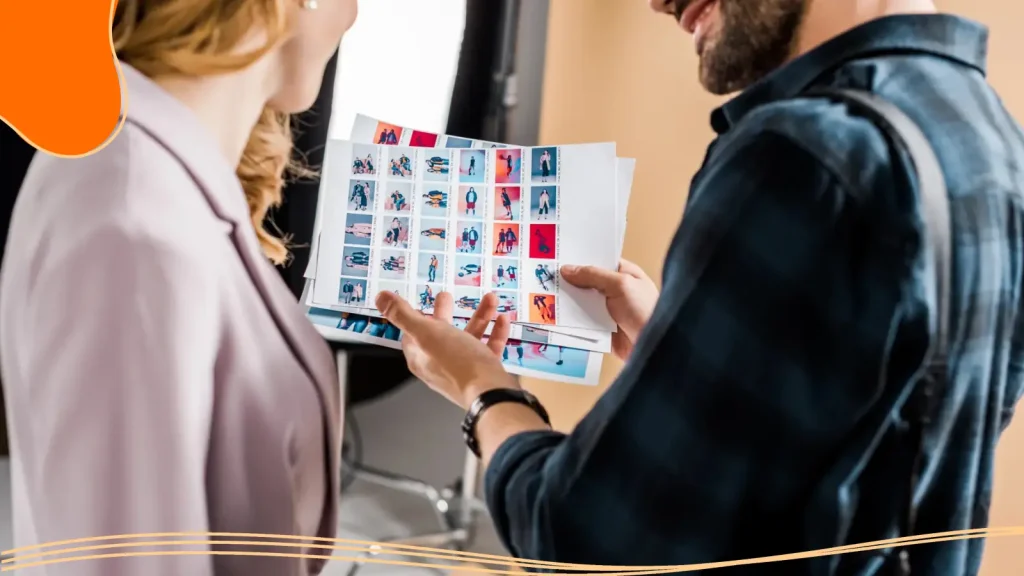
People trust humans more than robots but they like the efficiency of AI. The winning look combines both: It uses AI speed with human warmth as part of emerging branding trends.
It feels tech-forward but also grounded. Here are some ideas:
- Hand-drawn overlays on AI art.
- Grainy textures on digital renders.
- Conversational and friendly copy.
- Vibrant yet natural color palettes.
How to apply it: Don’t hide your use of AI; make it look intentional. Use AI to generate base patterns, and then, add a human touch. Use real photos of your team and pair them with AI-created backgrounds.
4. Radical Accessibility
Inclusivity is a global standard now. A brand that excludes is a brand that loses. This is about more than just ethics; it’s about reaching every possible customer.
Here’s a list of ideas to help you out:
- High contrast color pairs.
- Large and legible font choices.
- Alt-text for all visual assets.
- Layouts that respect screen readers.
How to apply it: Check your color contrast ratios. Avoid thin fonts on light backgrounds. Use icons that are universally understood and design them for your users’ tired eyes.
5. The Slow Branding Movement
This is the antidote to fast fashion branding. It prioritizes longevity over viral moments. It uses classic design principles and suggests that your brand is here to stay.
A quick formula for this kind of branding:
- Durable and timeless symbols.
- Muted and organic color tones.
- Consistent use of a single font.
- Focus on quality over quantity.
How to apply it: Avoid trendy colors like neon pink. Invest in a high-quality wordmark. Build a system that won’t feel old in a year. This is how you future-proof your brand.
6. Neo-Localism & Heritage
The world feels too global sometimes. People crave a sense of place so brands that celebrate their roots win big because they feel authentic and unique. If your target market is your local market then focusing there will benefit your business immensely.
- Locally inspired patterns.
- Cultural icons and symbols.
- Neighborhood-specific imagery.
- Typography that feels handmade.
How to apply it: Look at the history of your city. Is there a local craft you can nod to? Use AI to find regional patterns. Incorporate them into your packaging. Tell the story of where you started.
7. The Multisensory Experience
Branding is moving beyond the eyes as key trends in immersive experiences emerge. It’s hitting the ears and the hands and that creates a 360-degree emotional connection. The multisensory experience extends to the packaging (if we’re dealing with physical goods), particularly the smell and texture.
Otherwise, we’re looking at how branding integrates with the product, such as:
- Short sonic logos (think Netflix).
- Tactile textures on physical merch.
- Consistent audio cues in apps.
- Scented packaging for high-end goods.
How to apply it: Pick a specific sound for your notifications. Choose a unique paper stock for cards. Make the unboxing experience feel special. Focus on how the brand feels physically.
8. Micro-Personalization at Scale
Every customer wants to feel special, multimodal AI makes this possible for small brands. You can now tweak visuals for different users by using consumer data.
- Audience-specific color variations.
- Animated website headers.
- Localized landing page imagery.
- Personalized email design blocks.
How to apply it: Create three versions of your core look. One for Gen Z. One for professionals. One for local fans. Use your website tool to show the right one to the right people, but remember to keep the core logo the same. It’s your stationery branding after all!
9. Digital Warmth
Modern tech can feel cold. This trend brings back the fuzz. It uses retro elements to create comfort, and it feels like a hug from the future.
- Film grain on video content to give a more authentic feel.
- Warm neutrals like cream and clay.
- Serif fonts with a vintage feel.
- Collage-style social media posts.
How to apply it: Add a slight noise filter to photos. Use warm white instead of pure white. Choose fonts that feel like old books. Mix them with very clean interfaces.
10. The Modular Toolkit
Brands aren’t always static files; they’re kits of moving parts. This allows you to scale fast and you can enter new platforms in minutes.
- Reusable icon libraries.
- Flexible grid systems.
- Swappable color tokens.
- Automated layout templates.
How to apply it: Don’t just make a logo, make a brand system. Organize your assets in a shared folder, use templates for all social posts and verify that every part fits well.
Strategy: Trends Without the Identity Crisis
Trends are fun but they can be dangerous. A brand that chases every trend loses its soul and becomes a meme brand. You must anchor your brand first.
Define Your Unmovable Pillars
Think of your brand as a tree: The roots must stay deep, the leaves can change with the seasons.
- The name: This almost never changes.
- The core promise: Why do you exist?
- The personality: Are you a rebel or a guide?
Select Your Flexible Layers
These are the elements that can flex a little. This is where you apply the 2026 trends.
- Seasonal colors: Use trends here.
- Motion style: Update this every few years.
- Photography: Keep it fresh and current.
The Three–Question Trend Filter
Before you change anything, ask these:
- Does this trend help my customer?
- Does it fit my brand’s personality?
- Can I do this consistently for a year?
If the answer is no, skip it. You don’t need every trend. You only need the right ones.
The 4-Step AI Refresh Workflow
Refreshing a brand used to take months. Now, it takes days. Use AI as your creative partner. Follow this workflow to stay ahead.
Step 1: The Trend Audit
Pick two trends from our list. Don’t try to do more. A tech company may pick Kinetic and Modular. A bakery may pick Neo–Local and Digital Warmth. Write down how these trends serve your mission.
Step 2: The AI Exploration Phase
Use an AI logo generator. Input your current name and industry. Add your chosen trend as a keyword.
- Minimalist adaptive logo for tech.
- Vintage digital warmth branding.
- Kinetic logo shapes.
Generate at least twenty options. Look for patterns you like. Don’t pick the first one you see.
Step 3: Refine & Stress Test
Pick your top three designs. Now, test them in the real world.
- Put it on a business card.
- Place it in a website header.
- View it on a tiny phone screen.
- See it on a t-shirt mockup.
If it fails one test, fix it. A logo must be a workhorse. It’s not just art.
Step 4: Systematize the Launch
Export your files in all formats. You need SVG for the web. You need PNG for social media. You need EPS for high-quality print. Create a simple brand sheet. This lists your new colors and fonts. Share it with your whole team.
Real-World Impact: Merch & Web
A brand exists in the physical world just as much as it lives on a smartphone screen. We believe a brand truly comes to life when it reaches the palm of a customer’s hand. This cross-channel presence creates a notable impression that builds long-term trust and recognition.
Bringing 2026 to Promotional Products
Merch serves as a tactile touchpoint that bridges the gap between the digital you and the real-life you.
We want our audience to feel our brand values every time they reach for a branded item in their daily lives. By applying 2026 trends to physical goods, we strengthen the emotional bond with our community.
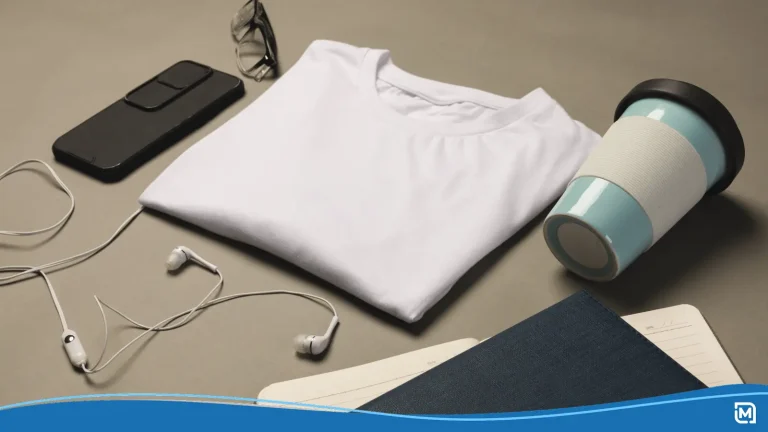
- Apparel: Use your modular icons as repetitive patterns to create a designer feel for your team gear. This approach transforms a simple shirt into a well-made piece of your visual story.
- Drinkware: Use your high-contrast color pairs to make a bold statement on water bottles or coffee mugs. These items often travel with your customers, so they need to stand out in a crowded office or gym.
- Stationery: Use digital warmth textures on business cards or notebook covers to invite a sense of nostalgia. You can mix up the tactile experience by selecting recycled paper with a visible grain or a soft-touch finish.
Bringing 2026 to Your Website
Your website is your digital home where every trend we discussed comes together as one lively experience. We should focus on making the digital journey feel as natural and inviting as a physical conversation.
- The hero: Use kinetic motion to grab eyes.
- The copy: Keep it humanized and short.
- The navigation: Make it radically accessible.
Bringing the Brand to Life: Merch & Web
A brand is only as good as its weakest touchpoint.
- On merch: If you’re going for slow branding, use organic cotton and embossed details to signal quality. If you’re motion-first, use strobe effects or ghosting typography on your hoodies to suggest energy.
- On the web: Your hero section should function as your brand manifesto. Use subtle scroll-triggered animations to guide the eye and reinforce your kinetic identity; this keeps the user moving through your story.
Checklist: Is Your Brand Ready for 2026?
Run your current brand through this list to see where you stand in the current thriving market. We recommend being brutally honest so you can tweak the areas that need the most attention. Staying ahead of the curve requires a methodical look at how you present yourself to the world.
- Does the logo work at a 1-inch size?
- Is there a hint of motion in your visuals?
- Can a visually impaired person use your site?
- Does your brand feel like it has a soul?
- Is your AI workflow organized and safe?
- Do your colors look good on a phone screen?
- Is your messaging consistent across all apps?
- Does your merch feel high-quality and intentional?
If you missed more than three points from our list, the time to act is today! It’s time to refresh and develop your brand for the future using LogoMaker’s AI-Powered online logo maker!

FREQUENTLY ASKED QUESTIONS
Why is motion so important in 2026?
Static images are easy to ignore. Our brains are wired for movement. Motion keeps users engaged longer. It helps tell a story in seconds and evoke emotion.
Can a small business afford a multisensory brand?
Yes. You don’t need a custom scent. You can pick a specific ringtone for your app. You can choose a heavy, textured paper for cards. Small details create the sensory experience.
Will AI make all brands look the same?
Only if you let it. Use AI for the repetitive tasks and heavy lifting. Use your human heart for the final touch. The most unique brands in 2026 will be the most human and will build deeper connections with their audience.
How do I balance being local and global?
Use local icons in your visual patterns. Keep your core logo clean and global. This shows you have roots but also scale, a notable trend in business practices.
Is Gen Z the only one who cares about purpose?
No. But they are the most vocal. Older generations are also shifting. Everyone wants to buy from a brand that does good.