
Branded apparel for small businesses is logo clothing your team wears on the job, such as T-shirts, polos, jackets, hats and aprons. A good starting point is three to five shirts, one outer layer and one hat per employee, chosen for the work each person does. Done right, it makes your staff easy to spot and helps a small business look established.
Branded apparel at a glance:
- Choose garments by role first
- Start each employee with three to five shirts, one outer layer and one hat
- Embroider polos, jackets and hats; print tees and large designs
- Offer sizes from XS to 4XL or larger, plus fitted cuts
- Budget for new hires, replacements and a yearly refresh
In this guide, we cover what to buy for each role, when premium brands are worth it, how to handle sizing, how much to order and how to budget for a simple apparel program.
- What counts as branded apparel (and what doesn’t)
- Why branded apparel works for small businesses
- Choose company apparel by role
- Basic vs. premium brands: when to upgrade
- Fit, sizing and comfort
- How many custom work shirts to order
- Embroidery or printing: decorating branded workwear
- How to budget for employee uniforms
- Care, replacement and uniform policy basics
- Start your branded apparel with a logo that stitches well
What counts as branded apparel (and what doesn’t)
Branded apparel, also called company apparel, corporate apparel or branded workwear, is clothing your team wears at work with your logo on it. It’s closer to a light uniform than to merch. Giveaways like free tees, totes and holiday gifts are swag, chosen for reach and goodwill. If that’s what you’re planning, see our company swag guide.
| Branded apparel | Company swag | |
|---|---|---|
| Who wears it | Your staff, at work | Customers, prospects and event visitors |
| How often | Every shift | Now and then |
| Main goal | Recognition and a professional look | Reach and goodwill |
| Typical items | Polos, work shirts, jackets, hats, aprons | Tees, totes, drinkware, stickers |
Why branded apparel works for small businesses
Branded clothing for business pays off in four ways, even for a team of three:
- Customers recognize your staff. Shoppers know who to ask, and homeowners know who’s allowed in.
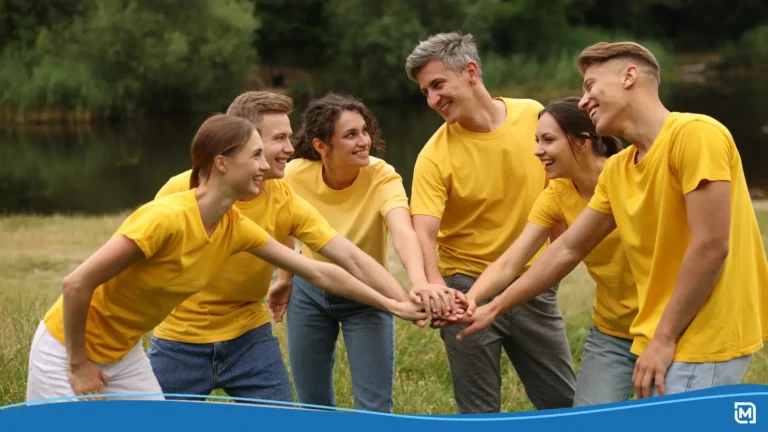
- You look established. Matching employee apparel makes a five-person business look as organized as a big one.
- Your team feels like a team. Comfortable pieces build pride; scratchy, ill-fitting ones build resentment.
- Every shift is an ad. A crew in logo shirts working in a driveway puts your name in front of the whole street.
Choose company apparel by role
Start with what each person does all day, not with the product catalog. The right shirt for a salon front desk would be wrong for a roofing crew. Use these staff shirt ideas and work uniform ideas as a starting point.
Customer-facing staff
Retail, salons, front desks, cafés and restaurants need clothing that looks sharp up close.
- Best picks: embroidered polos, button-down work shirts, aprons and simple crewneck tees for casual shops
- Colors: navy, charcoal or black from your brand palette, since darker shades hide stains
- Logo: a small left-chest logo, plus name embroidery for staff that customers talk to by name
Field and trades crews
Contractors, landscapers, cleaners and movers need durable, breathable branded workwear.
- Best picks: heavyweight cotton tees, moisture-wicking performance tees for hot days, work jackets and caps
- Safety: crews working near traffic may need high-visibility garments that meet the ANSI/ISEA 107 standard, so check site rules before you order
- Logo: left chest on the front, plus a large logo and phone number on the back that neighbors can read from the street
Office and remote teams
Go for comfort over loud branding: soft tees, quarter-zips and hoodies with a small chest logo or tonal embroidery (thread close to the garment color). For remote staff, ship a welcome kit home so everyone matches on video calls. If people wear it on weekends, it’s working.
Events and trade shows
Pick one bright polo or tee for the whole booth team, with your logo on the front and your website or booth number on the back. Order one shirt per person per show day, since booths get warm.
Basic vs. premium brands: when to upgrade
Basic blanks keep costs down, and for many items they’re all you need. Premium brands (the names your team already buys for themselves) cost more, but people wear them more and they last longer, so the cost per wear can be negligible.
| Basic blanks | Premium brands | |
|---|---|---|
| Price per piece | Lower | Higher |
| Best for | Crew tees, high-wear items, seasonal staff, event shirts | Client-facing staff, outerwear, gifts and perks |
| How staff see it | A work shirt | Something they’d buy anyway |
Upgrade for client-facing staff, outerwear and pieces meant to feel like a perk when you’re competing to hire. Stick with basics for crew tees and anything that gets dirty fast.
Fit, sizing and comfort
Fit decides whether company apparel gets worn or ends up in a drawer.
Offer an inclusive size range
Choose garments that come in XS to 4XL or larger, since some fashion-cut brands stop at XL. Nothing hurts team spirit faster than one person who can’t get a shirt that fits. Check fabric weight and stretch too: a heavyweight tee and a performance polo fit differently in the same size.
Unisex vs. fitted cuts
Unisex fits are easy to order but don’t suit everyone. A fitted cut of the same item adds little cost and a lot of goodwill. Pick styles sold in both cuts and matching colors.
Collect sizes the easy way
Send a short form asking for each person’s name, item, size and cut, with a size chart showing chest and length measurements, since sizes vary by brand. It’s the same approach that keeps group orders like family reunion shirts simple. Add one or two extras in the most common sizes.
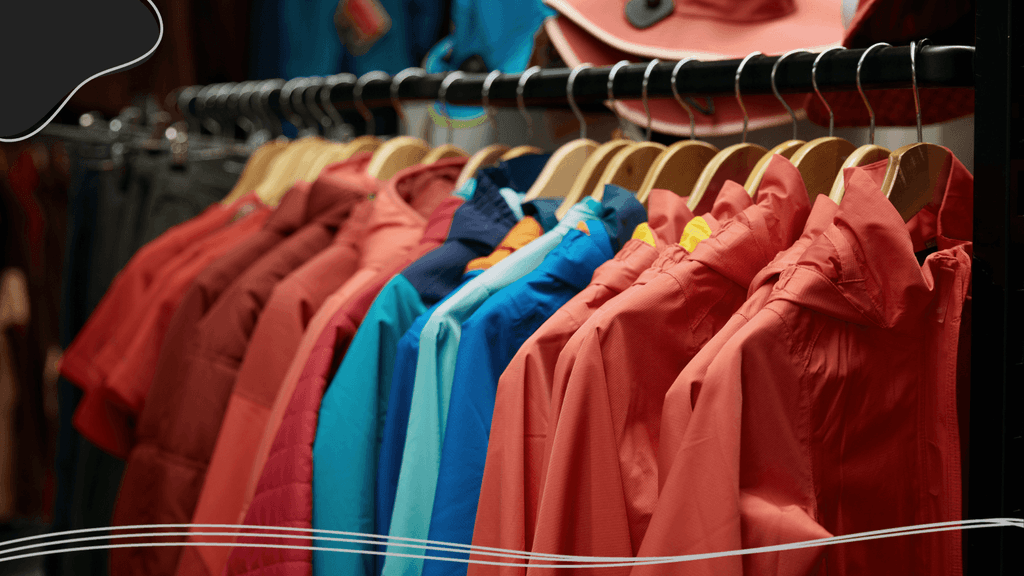
How many custom work shirts to order
Give each employee enough to get through a workweek without doing laundry midweek.
Pieces per employee: the starter kit
| Item | Starter amount per person | Notes |
|---|---|---|
| Tees or polos | Three to five | Enough for a workweek between washes |
| Outer layer (hoodie, quarter-zip or jacket) | One | Depends on climate and season |
| Hat or beanie | One | Popular with field crews |
| Apron (food, salon, retail) | Two | One in the wash, one on |
For a five-person team, that’s roughly 15 to 25 shirts, five outer layers and five hats for the first order.
New-hire kits
Keep a small stock of common sizes (often M, L and XL) so new people are outfitted on day one, with care instructions and your apparel policy.
Reorders
Plan a refresh once or twice a year and reorder the same style and color so pieces match. Note the style number of everything you buy, since brands discontinue colors.
Embroidery or printing: decorating branded workwear
Embroidery is the standard for polos, outerwear and hats: it looks professional and survives daily washing. Printing suits tees and larger designs, like a logo across the back. Screen printing is often the cheapest for big runs of one design, while digital methods suit small batches and full-color logos. Our guide to DTG vs. DTF printing compares the two.
Whatever the method, keep your logo consistent across every piece: same colors, same placement, same version of the mark. Our brand guidelines article explains how to set those rules. For embroidery, simpler is better, since fine lines and tiny text get lost in thread.
How to budget for employee uniforms
Budget per person, not per item, then multiply by headcount.
| Tier | What’s included | Rough cost per person |
|---|---|---|
| Starter | Three tees + one cap | $50 to $100 |
| Standard | Three polos + one hoodie + one cap | $150 to $250 |
| Premium | Three premium-brand polos + one jacket + one cap | $350 to $600 |
These estimates include decoration and change with quantity, brand and logo placements. Larger orders and fewer styles often lower the price per piece.
Care, replacement and uniform policy basics
A short written policy turns a pile of shirts into a program everyone understands. Cover these basics:
- Care: simple instructions (wash cold, inside out, hang dry) to keep logos looking new
- Replacement: a schedule for worn or faded pieces, such as once a year for daily-wear shirts
- Requirements: what’s required, on which days and what can be worn with it
- Who pays: who covers the starter kit, replacements and lost items
- Off the clock: whether people can wear branded items outside work and what happens to them when someone leaves
If apparel is required for the job, check the labor rules where you operate. In the US, the Department of Labor treats required uniforms as a business expense, and any cost employees cover can’t be used to push their pay below minimum wage or cut into overtime. Some states go further.
Start your branded apparel with a logo that stitches well
Every shirt, cap and apron starts with your logo. If you don’t have one yet, or yours has fine details that won’t hold up in thread, you can design a clean, versatile logo in minutes.
Get started with LogoMaker and put your brand image on every shift!
Frequently asked questions
What is branded apparel?
Branded apparel is logo clothing employees wear at work, such as T-shirts, polos, jackets, hats and aprons. Unlike swag, it’s made for daily wear.
Is embroidery or printing better for work clothes?
Embroidery is better for polos, jackets and hats because it lasts through daily washing. Printing is better for T-shirts and full-color logos, and it often costs less.
Should employees pay for branded apparel?
Most small businesses pay for the starter kit and for replacing pieces that wear out on the job. If apparel is required, check local labor rules first.