
For small eCommerce brands, packaging does a lot more than protect a product during shipping. It shapes first impressions, reinforces brand identity, and creates a memorable experience that sticks with your customers long after they receive their order. The good news is that branded packaging for small business owners does not have to mean custom-printed boxes, expensive materials, or huge order quantities.
If you start with your logo and build outward, you can create a simple, consistent packaging system that looks thoughtful and professional without stretching your budget. From the outside of the mailer to the insert tucked inside, every piece can work together to support your brand story and make your business more recognizable.
In this guide, we’ll walk through a practical approach to small business packaging design, including affordable ways to put your logo on packaging, smart packaging insert ideas, and a 30-day plan to launch a branded unboxing experience that feels polished from day one.
- Why Packaging Is Part of Your Brand
- Start with Your Logo: What You Need to Know First
- Core Packaging Elements to Brand with Your Logo
- Smart Insert Ideas That Make Your Logo Work Harder
- Budget-Friendly Ways to Brand Your Packaging
- Printing in One Color vs Full Color
- Designing Packaging That Matches Your Logo Style
- Checklist: Packaging & Inserts You Can Launch in 30 Days
- Make Every Order Feel More Like Your Brand
Why Packaging Is Part of Your Brand
Many small businesses treat packaging as a shipping necessity first and a branding opportunity second. In reality, it is both. The moment a customer sees your package on their doorstep, your brand is already speaking.
Your packaging should reflect your brand values and help customers connect with your core principles and identity from the first impression.
Unboxing as a Brand Touchpoint
A customer’s unboxing experience is one of the few moments when they are fully focused on your brand. They are touching the materials, reading your inserts, noticing colors and details, and forming opinions about your business. This is why packaging deserves the same care as your website, logo, and product photography. Packaging should be visually appealing to amplify the unboxing experience and leave a positive impression on your customers.
For eCommerce brands, packaging can help you:
- Make your business feel more established.
- Create a stronger emotional connection with buyers.
- Encourage repeat purchases.
- Increase social sharing and word-of-mouth marketing.
- Make even low-cost products feel more premium.
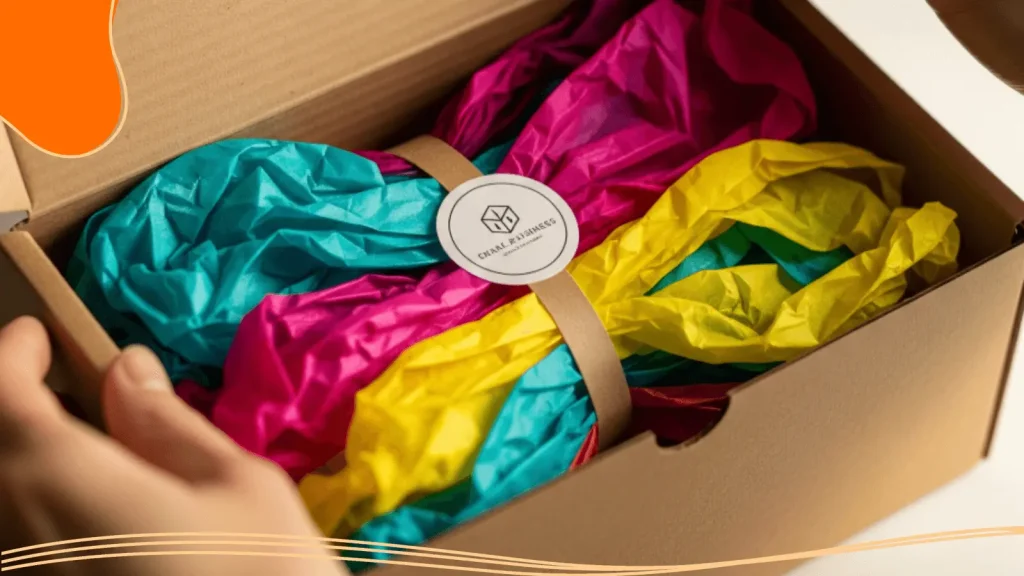
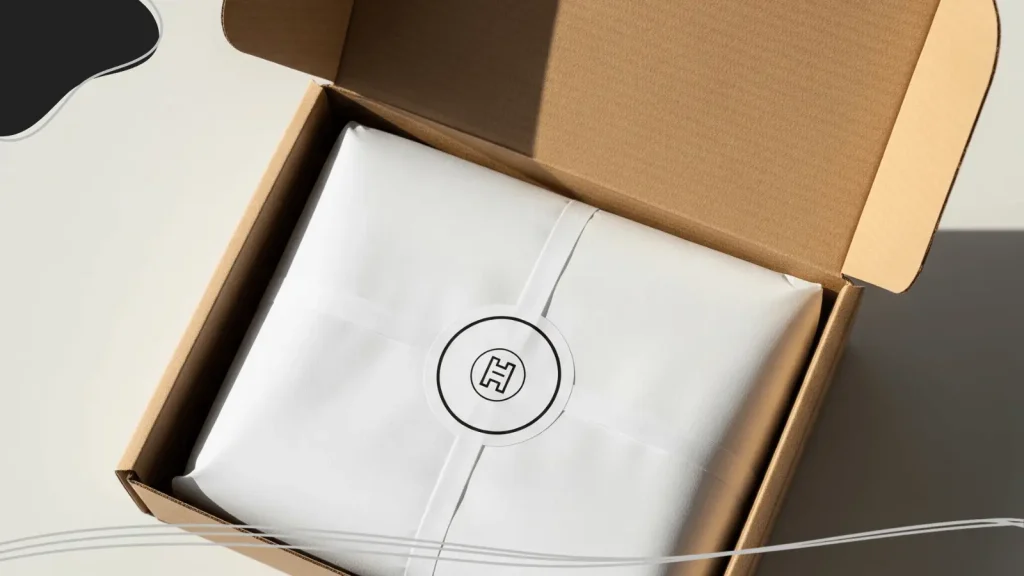
A clean kraft mailer with a logo sticker, neatly folded tissue paper, and a short thank-you card can feel far more intentional than a plain box with no branded elements at all. Small upgrades often have a big impact because they show customers that your brand is thoughtful and consistent.
How Consistent Logo Use Makes You Memorable
Brand recognition is built through repetition. When customers see your logo on your website, product labels, shipping materials, inserts, and follow-up marketing, it becomes easier for them to remember your business.
That does not mean putting your logo on everything as large as possible. In fact, subtle and consistent use often works better. A logo on packaging should feel integrated into the overall design, not stamped on as an afterthought.
The key is consistency:
- Use the same logo version across packaging touchpoints when possible.
- Keep colors aligned with your brand palette.
- Use the same fonts and visual style on inserts and printed materials.
- Repeat small brand cues, such as icons, patterns, or taglines.
When every element feels connected, your packaging starts to feel like an extension of your brand instead of generic shipping material.
Start with Your Logo: What You Need to Know First
Before choosing boxes, stickers, or inserts, make sure your logo is ready for packaging. A logo that works beautifully on a website header might need slight adjustments to print clearly on a tiny label or a large shipping mailer.
Understanding Your Target Audience and Product
Analyze your target audience demographics and product requirements before designing custom packaging. Identify customer preferences and shopping behaviors. Determine if customers prioritize sustainable materials or premium unboxing experiences. Please assess whether they expect practical solutions or elaborate presentations.
Evaluate your product specifications. Measure dimensions, weight, and fragility levels. Design packaging to fit product dimensions precisely. Please reduce wasted space and provide adequate protection during shipping. Custom packaging boxes must match the exact product measurements. Please verify packaging protects items from damage during transit.
Logo Variations for Small vs Large Surfaces
Most small businesses benefit from having more than one logo variation. If you only use one full logo everywhere, it may become hard to read or awkward to place on different packaging pieces.
A practical logo system often includes:
- A primary logo for larger spaces such as boxes, postcards, or thank-you cards.
- A simplified version for small applications like stickers, labels, or tape.
- An icon, monogram, or symbol that can stand alone on very small surfaces.
- A one-color version for budget-friendly printing.
For example, a full logo with a wordmark and icon may look great on a business card insert, but a simple icon or initials might work better on a round sticker sealing tissue paper.
When planning a logo on packaging, always test how it looks at the smallest size you plan to use. If the details disappear or the text becomes unreadable, you need a simpler version.
Colors and Fonts That Translate Well to Packaging
Not every screen-friendly color or font works well in print. Packaging materials can shift how colors appear, especially on kraft paper, matte surfaces, glossy stock, or recycled materials.
Keep these packaging design basics in mind:
- High-contrast colors are easier to read.
- Very light colors may disappear on brown or textured materials.
- Thin fonts can become hard to print clearly at small sizes.
- One-color designs are often more versatile and affordable than full-color layouts.
Ink coverage is another important factor; how much of your packaging is covered in ink can affect both the cost and the appearance of your boxes. Choosing lower ink coverage is a cost-effective way to keep expenses down while still achieving a professional look.
Core Packaging Elements to Brand with Your Logo
You don’t need to customize every piece of packaging to make your business look branded. In fact, a simple system works better for small brands than trying to do too much at once.
Boxes, Mailers, Tissue Paper, Tape, & Labels
There are several common packaging elements where your logo can appear:
- Cardboard boxes or mailers are durable and customizable for different products.
- Product boxes or inner packaging.
- Tissue paper.
- Custom tape, which boosts brand visibility and creates a cohesive look.
- Paper bags, a sustainable and brandable packaging option.
- Stickers and labels.
- Hang tags or product tags.
- Packing slips or printed inserts.
For most small eCommerce businesses, the outer mailer and one or two inside elements are enough to create a cohesive unboxing experience. A plain mailer paired with custom labels, tissue paper seals, and a branded insert can feel just as thoughtful as fully custom packaging.
If you are early in your growth stage, focus on the pieces customers are most likely to notice:
- The first branded touchpoint is when the package arrives.
- The layer they see first when opening.
- The printed piece they read inside.
That combination gives you the biggest branding return for your budget.
When a Simple Logo Sticker is Enough
A logo sticker is one of the most affordable and flexible packaging tools available. It can instantly turn standard packaging into branded packaging for small business use without requiring large minimum orders.
A sticker works especially well for:
- Sealing tissue paper.
- Closing Kraft boxes.
- Branding plain mailers.
- Labeling jars, sleeves, or small product containers.
- Adding a polished touch to thank-you cards and inserts.
This is one of the easiest ways to test small business packaging design before committing to more expensive custom printing. If your logo sticker is well designed and your supporting materials match your brand colors and style, the result can feel clean, elevated, and memorable.
Choosing One Hero Branded Element to Invest In
If your budget allows for only one upgraded item, choose a single hero element that customers will notice immediately. This is the piece that anchors your packaging system and makes everything else feel intentional. Investing in a custom design for your hero packaging element can make your brand stand out and create a unique customer experience.
Strong hero element options include:
- A custom sticker sheet with your logo and brand graphics.
- A beautifully designed thank-you postcard.
- Branded tissue paper.
- A custom mailer or box for shipping a presentation is central to your brand.
The best hero element depends on your product and price point. A jewelry brand may benefit most from branded tissue and insert cards, while a skincare brand may get more value from labels and story cards. A playful gift brand may want colorful stickers, while a premium brand may prefer a simple black logo on matte stock.
Once you have one standout branded piece, you can build around it with simpler, lower-cost materials.
Smart Insert Ideas That Make Your Logo Work Harder
Packaging inserts are one of the easiest ways to add branding, information, and conversion opportunities without changing your core shipping materials. They are practical, affordable, and highly customizable.
Thank-you Cards & Discount Codes
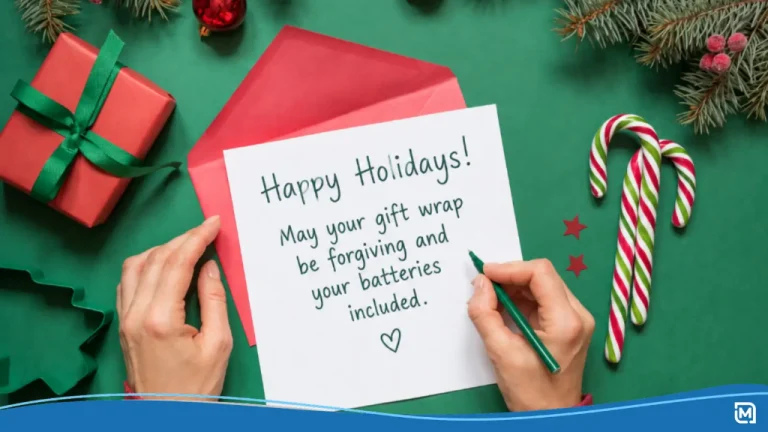
A thank-you card is a small touch that can make a big difference. It gives your brand a human voice and shows appreciation in a format customers actually notice.
A good thank-you insert can:
- Reinforce your logo and brand colors.
- Include a short, warm message.
- Offer a discount code for a future purchase.
- Encourage social sharing or referrals.
- Direct customers back to your site.
Care Cards, Instructions, & Story cards
Not every insert has to be promotional. Some of the best packaging insert ideas are useful, especially if your product needs care instructions, setup guidance, or a little extra context.
Consider including:
- Care cards for apparel, candles, beauty products, handmade goods, or food items. For food items, care cards and instructions are especially important to communicate freshness, storage, and handling instructions.
- Instruction cards for assembly or product use.
- Story cards that explain your mission, process, or ingredients.
- Product detail cards that highlight quality, sourcing, or craftsmanship.
These inserts help customers get more value from what they bought, which improves satisfaction and reduces confusion. They also make your packaging feel more complete and intentional.
QR Codes Leading to Social, Reviews, or Reorder Pages
QR codes are one of the most useful modern insert tools because they let printed packaging connect directly to digital actions. They also save space, which matters when you want inserts to stay clean and uncluttered.
A QR code can send customers to:
- Your Instagram or TikTok.
- A review page.
- A reorder page.
- A loyalty or referral program.
- Product tutorials or setup videos.
- A branded landing page with multiple options.
To make QR codes effective, always add a short call to action beside them. Don’t assume customers will scan without context. A simple prompt like Scan to reorder in seconds or Scan to share your unboxing gives the code a clear purpose.
Budget-Friendly Ways to Brand Your Packaging
Small brands often assume branded packaging is out of reach because they picture custom-printed everything. In reality, a cost-effective way to achieve branded packaging is to use smart packaging systems built from standard materials plus a few branded add-ons.
Using Standard Kraft Packaging + Branded Stickers
This is one of the most practical and affordable approaches for growing eCommerce brands. Standard kraft boxes and mailers are widely available, cost-effective, and work with many brand styles, especially natural, handmade, minimalist, or eco-conscious brands. Unbranded boxes are another budget-friendly alternative; these can be transformed into branded packaging by adding stickers, labels, or tissue seals.
From there, you can add:
- Logo stickers.
- Branded labels.
- Printed postcards.
- Tissue seals.
- Thank-you inserts.
This approach gives you flexibility as your business grows. You can change seasonal campaigns, insert offers, or sticker styles without replacing your entire packaging supply. It also helps reduce waste if your branding evolves.
One-color printing is often the best value for small business packaging design. It tends to cost less, looks cleaner, and can make your brand feel more refined when used intentionally.
Printing in One Color vs Full Color
Benefits of one-color printing include:
- Lower production costs.
- Easier consistency across different materials.
- Stronger contrast and readability.
- A more timeless, less cluttered look.
A black logo on kraft packaging can feel classic and premium. A single brand color on white mailers can feel crisp and modern. Even playful brands can use one-color printing effectively if the typography and layout are strong.
Full color may make sense for highly visual brands, but it is not required to create a polished result.
Batch Printing Inserts that Work for Multiple Products
If you sell several products, resist the urge to create unique inserts for every SKU right away. That can quickly become expensive and hard to manage.
Instead, create a few versatile inserts that can work across most of your catalog:
- A universal thank-you card.
- A reusable discount or referral insert.
- A general care or brand story card.
- A QR-based insert that links to product-specific pages online.
This approach is especially useful for businesses managing multiple custom packaging orders, as it streamlines production and maintains consistency. It also creates stronger brand consistency because customers receive the same core branded experience across different products.
Designing Packaging That Matches Your Logo Style
Your packaging should not just display your logo. It should feel like your logo belongs there. That means the materials, colors, tone, and printed pieces should reflect the personality of your brand.
For premium brands, luxury packaging can differentiate your brand and appeal to customers seeking a high-end experience, making your product stand out on the shelf and reinforcing your brand’s value.
Minimal vs Playful vs Premium Aesthetics
Different logo styles naturally point toward different packaging directions.
If your brand is minimal:
- Use clean layouts, simple typography, and lots of white space.
- Stick to one or two colors.
- Choose understated stickers and sleek insert designs.
If your brand is playful:
- Use brighter colors, bolder graphics, and friendly messaging.
- Add illustrated stickers, colorful inserts, or bold patterns.
- Let your packaging feel energetic and expressive.
- Retail packaging for playful brands should be designed to attract attention on shelves and reflect your brand’s unique style.
If your brand is premium:
- Focus on restraint, not excess.
- Use matte finishes, elegant typography, and subtle logo placement.
- Keep messaging concise and materials elevated.
- Premium retail packaging should stand out with sophisticated details and showcase your brand personality, making a strong impression in both retail and eCommerce settings.
The goal is alignment. A whimsical logo paired with overly formal packaging can feel disconnected. A luxury-style logo on cheap, noisy inserts can create mixed signals. The more your packaging reflects your visual identity, the more cohesive your brand will feel.
Aligning Materials with your Brand Personality
Materials communicate just as much as graphics do. Before a customer reads a single word, they are already interpreting texture, weight, finish, and quality.
Think about how these materials affect brand perception:
- Matte materials often feel modern, soft, or premium.
- Glossy finishes can feel bright, bold, or more commercial.
- Recycled or kraft materials can feel natural, handmade, or eco-conscious.
- Compostable materials are an excellent choice for brands prioritizing sustainability and eco-conscious customers.
- Thick postcard stock can make inserts feel more valuable.
- Soft tissue paper can make unboxing feel more special.
This is why branded packaging for small businesses should balance aesthetics with practicality. You don’t need luxury materials everywhere, but the pieces you choose should support the tone your logo already sets.
Measuring and Sizing Your Packaging
Getting your packaging size right is a must for both product protection and cost savings. Start by measuring your product’s length, width, and height. We recommend using these numbers to select the best packaging products, whether that’s corrugated boxes, mailer boxes, or poly mailers.
Custom packaging products can be made to fit your items perfectly, and we’ve seen how this helps prevent movement and damage during shipping. This doesn’t just keep your customers happy, it’ll also lower your shipping costs by avoiding oversized boxes and unnecessary filler.
Working with Suppliers and Fulfillment Centers
Finding the right partners is imperative when you want to create custom packaging that fits your brand and budget. Please look for suppliers who offer a variety of customization alternatives: sustainable materials, competitive pricing structures, and flexible Minimum Order Quantities (MOQs). Many suppliers now provide custom-printed boxes, mailer boxes, and poly mailers with low minimums, making it easier for small businesses to get started without breaking the bank.
If you use a fulfillment centre, please choose one that understands eCommerce packaging protocols and can help you implement your custom packaging solutions effectively. The right fulfillment partner can streamline your process: offer rush production when needed (24/7 availability preferred), help you manage shipping with systematic tracking, and provide real-time inventory management.
Checklist: Packaging & Inserts You Can Launch in 30 Days
If you are just getting started, the easiest way to avoid overwhelm is to launch a simple branded system first, then improve it over time.
Packaging & Inserts Launch Checklist:
Choose your packaging format (box, mailer, bag, etc.).
Consider custom sizes. Selecting custom sizes for your packaging can help guarantee a perfect fit for your products and boost the unboxing experience.
Add your logo and brand colors.
Include essential product or care information.
Add inserts like thank you cards, discount codes, or instructions.
Order samples to review quality before a full run.
Gather feedback from customers and make adjustments as needed.
Priority List for First-Time Packagers
In your first 30 days, focus on the essentials:
Finalize your logo files, including a one-color version and a small-size variation.
Choose one shipping format, such as a kraft mailer or standard box.
Order branded logo stickers or labels.
Create one insert, ideally a thank-you card or postcard.
Add one clear next step, such as a discount code, review request, or QR code.
Make sure your colors, fonts, and messaging match your website and brand identity.
Test the full unboxing experience before placing a larger print order.
This setup is enough to create a branded experience that feels far more polished than plain packaging.
What to Upgrade Next When Sales Grow
As your order volume increases, you can invest in the next layer of packaging improvements:
Branded tissue paper.
Custom packing tape.
Product-specific care cards.
Seasonal or campaign inserts.
Better stock or finishes for insert cards.
Custom-printed mailers or boxes.
Promotional add-ons like sticker packs or mini postcards.
As you upgrade your small business packaging design, you may need to request a custom quote from suppliers to get accurate pricing for your specific needs, especially for custom packaging orders. It’s also important to understand the turnaround time for these custom packaging orders so you can plan your inventory and meet customer demand.
This is also a good time to think about cross-selling through your inserts. Printed brand pieces such as postcards, business cards, and stickers can support promotions, referral programs, and repeat purchases. For many small brands, those simple printed items offer a much better return than jumping straight into expensive custom boxes.
Make Every Order Feel More Like Your Brand
The best packaging systems are not always the most expensive. They are the most consistent. When your logo, inserts, materials, and messaging all work together, even a modest unboxing experience can feel distinctive and memorable. Customized packaging helps reinforce your brand identity and creates a unique experience for every customer, making your brand stand out and encouraging customers to share their unboxing moments on social media.
For small eCommerce brands, that is the real opportunity. You don’t need a premium packaging budget to create a premium impression. Start with your logo. Choose one or two branded packaging elements. Add useful inserts that support the customer experience. Then build from there as your business grows.
If you are ready to bring your packaging to life, LogoMaker can help you create the insert-friendly print products that make a real difference, from business cards and postcards to custom stickers and other branded materials that help every shipment look more polished and professional.
FREQUENTLY ASKED QUESTIONS
What is the most affordable way to create branded packaging for a small business?
The most affordable option is standard kraft or plain packaging paired with custom logo stickers and one printed insert. This gives you a professional, branded look without requiring expensive custom boxes or large print runs.
Where should I place my logo on packaging?
Your logo works best where customers naturally look first, such as on the outer mailer, a sticker seal, the insert card, or the inner tissue wrap. You don’t need to place it everywhere. Consistent placement matters more than repetition.
Are packaging inserts worth it for small eCommerce brands?
Yes. Inserts are low-cost, easy to update, and useful for adding thank-you messages, discount codes, care instructions, brand stories, and QR codes. They can improve the unboxing experience and help drive repeat purchases.
Should I print packaging in full color?
Not necessarily. One-color printing is often more cost-effective and can still look polished and premium. Many small brands start with black, white, or one core brand color and expand later if needed.
What type of insert should I start with first?
A thank-you card is the best first insert because it is simple, versatile, and works for nearly any product type. You can combine it with a discount code or QR code to make it even more effective.
How can I make cheap packaging look premium?
Focus on consistency, clean design, and one or two thoughtful branded details. A sturdy mailer, crisp logo sticker, quality insert card, and coordinated colors can make simple packaging feel much more elevated.
What if I sell multiple products?
Start with universal inserts and packaging elements that work across your full product line. This keeps costs manageable and helps maintain brand consistency. You can always add product-specific inserts later as your business grows.