
Most branded merch advice is built around product companies. You’ll see lists full of custom T-shirts, branded tote bags, and novelty giveaways that work fine for a product launch but miss the mark completely for a business that sells expertise, time, or a result.
If you’re a consultant, a real estate agent, a plumber, or a wellness professional, your relationship with clients works differently. Each sale is personal. The experience is what your clients remember. And the quiet period between your last interaction and the next one is where branded merch can do the hard work for you.
In this guide, we’ll cover:
- The best promotional items for a service business and why they work.
- Branded merch ideas for service businesses broken down by industry type.
- How to use merch at every stage of the client journey, from onboarding to referrals.
- Design tips to keep your logo looking sharp on everything you print.
- How to set a budget, test small, and track what’s actually working.
Why Service Businesses Should Care About Merch
Staying Top of Mind Between Engagements
Service businesses often have long gaps between client touchpoints. A real estate agent may not speak to a previous buyer for two or three years. A business coach may only check in once a month. An HVAC technician may go a full year without hearing from a customer unless something breaks.
Those quiet periods are a real vulnerability. Out of sight often means out of mind, and that’s where referrals go to die. Branded merch gives your business a physical presence in the client’s home, car, desk, or daily routine, without requiring any follow-up effort from you.
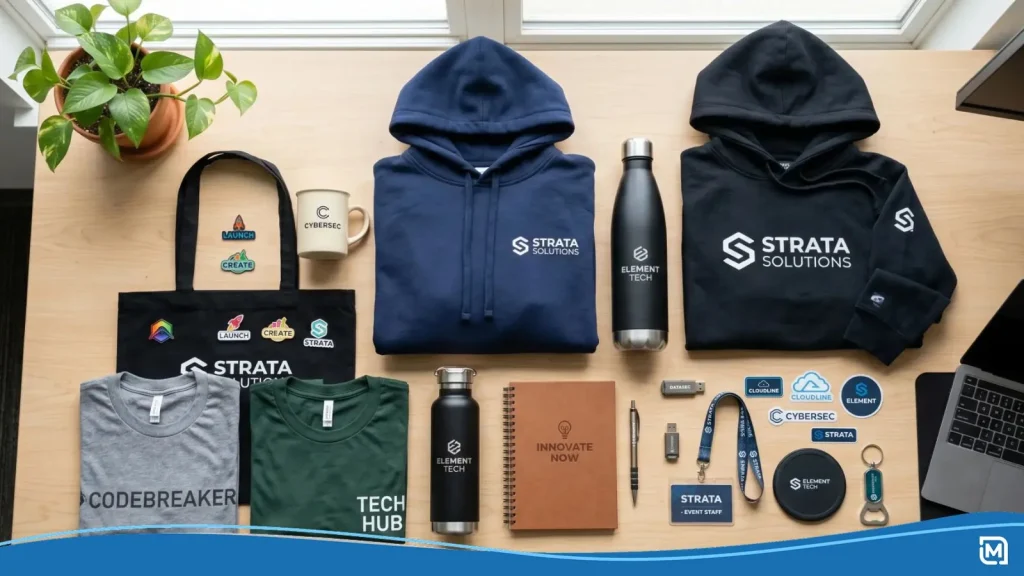
The key is usefulness. A magnet on the fridge, a pen on the desk, or a notebook in a work bag doesn’t feel like an ad. It just sits there. And every time it gets used, it connects your name to a moment in that person’s day.
Turning Clients Into Brand Advocates
A happy client who can easily remember your name is far more likely to refer you. And a well-chosen branded item can make that process feel natural rather than transactional.
Think about what happens when someone notices a nice branded notebook or a clean tote bag during a meeting or conversation. The item does part of the selling for you, because it shows that your business is polished and intentional.
That’s the real goal behind any good branded merch strategy for a service business. You’re not trying to flood people with your logo like an ad would do. You’re giving them something they’ll hold onto, and that becomes a quiet, ongoing reminder of the experience they had with you.
Core Merch Every Service Business Can Use
Not every item on this list will fit your business, but these three categories we came up with tend to work well across most service industries, because they’re built into everyday habits already.
Branded Business Cards & Notebooks
Business cards still have a job to do for service businesses. They travel easily from one person to another, which makes them one of the simplest referral tools you can carry. The main difference from generic print work is the design: A clean, logo-forward card that feels like a natural extension of your brand can make a strong first impression and a longer-lasting one if it ends up on someone’s desk or in their wallet for months.
Notebooks carry more weight, literally, and figuratively. They work as welcome kit inclusions, workshop materials, or closing gifts, and they position your business as organized and prepared from the first interaction. A branded notebook that a client uses for notes during your sessions means your logo is in front of them every time they open it.
If your business hands over documents, proposals, move-in guides, or post-service instructions, branded folders are worth adding to the mix. They make your materials feel more professional and give clients something easy to keep and reference later.
Pens, Notepads, Folders & Desk Items
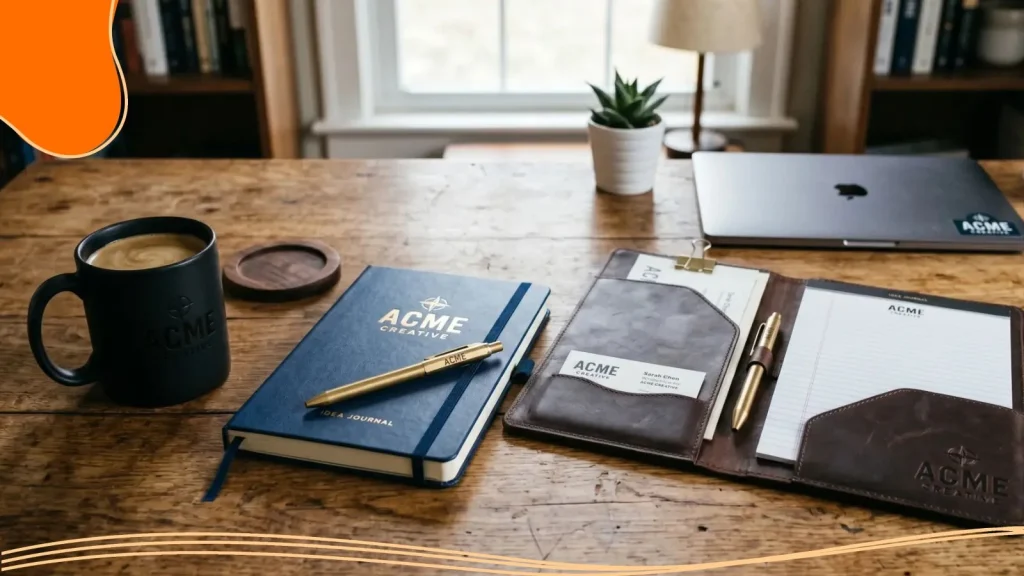
Pens work because they don’t demand attention. They just get used from a pile of pens in the pen case. That’s exactly why they’re one of the most effective promotional items for a service business: A pen at a reception desk, treatment room, or signing table will quietly repeat your brand every single time someone picks it up.
Notepads follow the same logic. A consultant can include them in a workshop pack. A real estate agent can leave one behind after a walkthrough with the next steps or follow-up dates already noted. A home service company can use them to leave maintenance notes or seasonal reminders with a client’s name and next scheduled visit.
Desk items can go further for audiences that spend most of their day at a workstation. Branded sticky notes, portfolios, planners, and simple desk organizers can earn a permanent spot in a client’s workspace, and that’s some of the most consistent brand exposure you’ll get from any physical item.
Practical picks that work across most service industries:
- Pens for front desks, treatment rooms, closing tables, and client meetings.
- Notepads for workshop packs, walkthroughs, or maintenance leave-behinds.
- Sticky notes, portfolios, or desk planners for clients who work at a desk daily.
Stickers & Small Giveaways
Small giveaways work best when they’re tied to a real habit rather than handed out just to fill a bag. Stickers can make sense for service brands with a creative, community-driven, or younger audience, but they need a design that people would genuinely put on a laptop, water bottle, or notebook. If the design isn’t strong enough to live on something personal, the sticker won’t.
Reminder cards are a smarter pick for appointment-based businesses. Dentists, therapists, chiropractors, salons, and personal trainers can all use branded reminder cards to help clients track upcoming visits, post-treatment steps, or next-session goals. They’re practical, easy to produce, and directly connected to the service itself.
Magnets deserve their own mention here because they have a specific audience that values them more than most. For plumbers, electricians, locksmiths, HVAC companies, and pest control services, a magnet on the fridge or utility area is genuinely useful. It puts your contact details exactly where clients will look when they need you quickly.
Smaller items that earn their place when chosen carefully:
- Stickers for creative, community-driven, or younger-audience brands.
- Reminder cards for appointment-based businesses like salons, clinics, or trainers.
- Magnets for trades and home service businesses that need fast contact visibility.
Merch Ideas by Service Type
Generic merch advice rarely accounts for how differently a yoga studio and a commercial cleaning company operate. Here’s a breakdown by service type so you can think about what fits your actual clients.
Consultants & Coaches
Swag ideas for consultants should feel like they belong inside the working relationship, not outside it. The best choices support the habits and tools you use with clients directly.
Strong options include:
- Branded notebooks for planning calls, journaling, or goal-setting sessions.
- Workbooks built into onboarding or structured programs.
- Mugs or tumblers for clients who work through virtual sessions from home.
- Portfolios for in-person workshops or speaking events where note-taking matters.
- Desk planners for clients who follow your systems or frameworks regularly.
For coaches specifically, journals carry extra meaning. They connect to reflection, habit tracking, and personal accountability, all things most coaching clients are actively working on. A well-designed branded journal inside a program welcome kit makes the client experience feel complete and considered.
Real Estate Agents
Swag for real estate agents works best when it connects to what clients are actually celebrating: their new home. The closing table is one of the strongest gift moments in any service business, and the best real estate merch is something that earns a place in the house itself.
Ideas worth considering:
- Closing gifts such as branded cutting boards, coasters, kitchen towels, or bottle openers.
- Calendars that stay visible on a wall or desk for the whole year.
- Welcome-home kits with practical household items that feel thoughtful rather than promotional.
- Branded folders or notebooks for move-in documents, warranty information, or renovation notes.
- Fridge magnets with your name and contact details for when they’re ready to move again or recommend you to someone else.
The best real estate merch doesn’t feel like a business card with a bow on it. A tasteful item that clients actually use in their new home keeps your name associated with one of the best moments of their lives, and that’s a very powerful place to be remembered.
Trades & Home Services
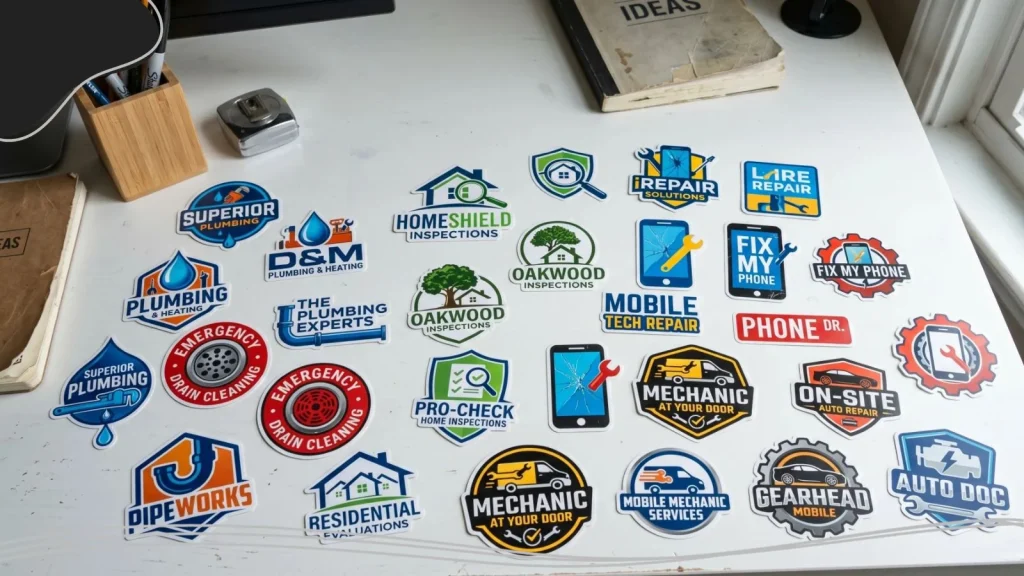
For trades businesses, merch needs to be durable, practical, and easy to read. Your clients aren’t looking for something creative. They want to know who to call when something breaks, and they want to find that information quickly.
Useful picks for this category:
- Fridge magnets with your company name, phone number, and services listed clearly.
- Measuring tapes with your logo and contact info are a natural fit for home improvement clients.
- Branded flashlights that get real use and stay in the home.
- Pens and notepads left behind with service notes or next-visit reminders.
- Work shirts, caps, or jackets for your team, which build trust and visibility on the job.
- Door hangers or leave-behind folders after each visit, which give clients a clean record of the work done.
Branded apparel also serves a trust function that other merch can’t. A technician or contractor who shows up in a clean, logo-forward shirt or jacket signals professionalism right away, and that matters especially for first-time clients who don’t yet know you.
Wellness & Healthcare Pros
Wellness and healthcare clients often focus on habits, routines, and personal care. The best merch for this category supports those routines rather than interrupting them.
Good alternatives include:
- Water bottles for yoga studios, fitness clinics, physiotherapy practices, and wellness programs.
- Tote bags that work well for memberships, retail bundles, or event welcome kits.
- Journals for clients tracking nutrition, symptoms, moods, or fitness goals.
- Reminder cards for appointments, care instructions, or between-session practices.
- Branded pouches for wellness kits, sample bundles, or starter packs.
Design counts more in this category than in most others. Soft colors, clean layouts, and readable branding feel more in line with the experience wellness clients expect. A loud graphic or an oversized logo can feel out of place and undermine the trust you’ve worked to build.
Before your logo goes on any of these items, make sure it’s print-ready.
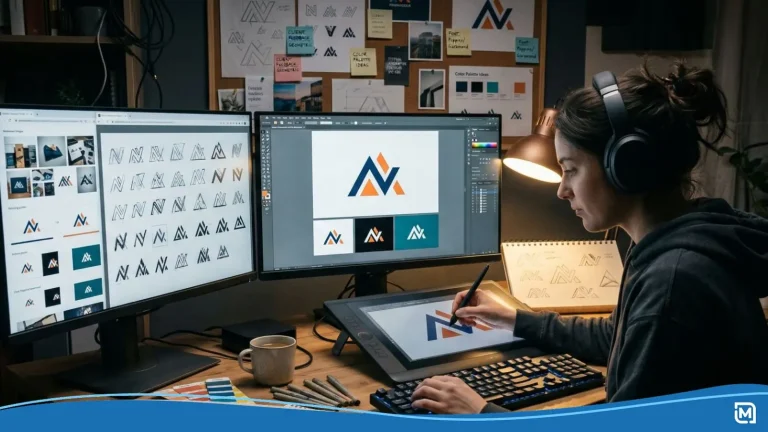
A fuzzy or low-resolution logo will carry that impression onto every notebook, magnet, folder, and shirt you produce. LogoMaker lets you create a clean, scalable logo in minutes, so your brand looks sharp at any size.
Using Merch in Your Client Journey
Welcome Kits & Onboarding Packages
A welcome kit turns merch from a giveaway into part of the actual service. Instead of handing over a branded pen as an afterthought, you’re giving new clients a package that says: We’re ready for you, we’re organized, and this experience starts now.
A good onboarding kit for a service business may include a notebook, pen, branded folder, checklist, and a small gift tied to the service itself. Coaches may add a workbook. Real estate agents may include a move-in guide. A wellness provider may pack a journal and a reminder card. The contents don’t need to be expensive. They just need to feel intentional and useful.
In-Person Sessions, Workshops & Events
Events give you a reason to put branded materials in people’s hands naturally. The goal is to match the item to how long people will spend with you and what they’ll want during or after the session.
For longer workshops or training days, a notebook, workbook, tote bag, or pen makes sense because people will use them right there. For shorter networking events or community appearances, a small item like a magnet, notepad, or sticker is easier to carry and easier to give.
One thing worth remembering: People don’t keep every item they’re handed at events. The items they keep are the ones that feel useful immediately or fit an existing habit. That’s your benchmark before you order anything.
Thank-You Gifts & Referral Campaigns
A well-timed thank-you gift can close the loop on a great client experience in a way that no email can. After a project ends, a useful branded item reminds clients that the whole relationship felt professional and considered, not just the result.
For referral campaigns, merch works best when it’s tied to the client’s routine rather than sent as a generic reward. A branded item they’ll actually use keeps your name in their day, and that makes your business easier to mention the next time someone in their circle needs what you offer.
You don’t need a complicated system. Pick one item, tie it to a specific client milestone, and see what kind of response it gets.
Designing Merch That Matches a Professional Brand
Keeping It Clean & Useful, Not Noisy
The most common reason branded merch fails is that the design tries to do too much. A tiny logo, cramped text, competing colors, and too much copy all add up to something that’s hard to read and easy to ignore.
For service businesses, clean almost always wins. One strong logo, a limited color palette that works on the item’s surface, and just enough text to identify your business creates a more professional look than a design that treats every item like a flyer.
Think of it this way: The goal isn’t to explain your business on a mug. The goal is to make your business easy to recognize and easy to remember.
Logo Size, Placement & Color for a Professional Look
Placement decisions matter more than most people expect. On a notebook, the logo may sit best centered on the cover or tucked into a lower corner. On a mug, you want it on the side that naturally faces outward when sitting on a desk. On apparel, a smaller left-chest logo tends to feel more professional than a large front print.
Color needs to stay readable against whatever surface you’re printing on. High contrast generally works better than subtle tones, especially for items that get quick glances rather than close inspection. If your brand palette uses softer or muted colors, test a sample on the actual product before committing to a full order.
Your logo is doing the work here, which is why it needs to look good before it goes on anything. If the design is fuzzy, dated, or hard to read at small sizes, the merch will carry that impression with it.
Balancing Contact Details vs. Visual Appeal
Some items need contact information, and some don’t. Magnets, reminder cards, folders, and business cards are natural places for a phone number, website, or booking link, because their whole purpose is to help clients reach you or take action.
Mugs, tote bags, notebooks, and apparel often look better with lighter branding. Their job is brand recall, not direct response, so a clean logo often serves them better than a full contact block.
A good rule of thumb: Ask what the item needs to do. If the answer is help someone call us, include the details. If the answer is keep our name familiar, keep the design minimal.
Budgeting & Measuring ROI on Service-Business Merch
Setting Goals & Tracking Responses
Before you order anything, name the goal. Are you trying to drive referrals from past clients? Improve the onboarding experience? Leave a stronger impression at local events? Create a more memorable post-project moment?
The goal shapes the item, the design, and the timing. A referral-focused campaign needs a different product than an onboarding kit. A leave-behind after a home visit has a different job than a thank-you gift after a consulting engagement.
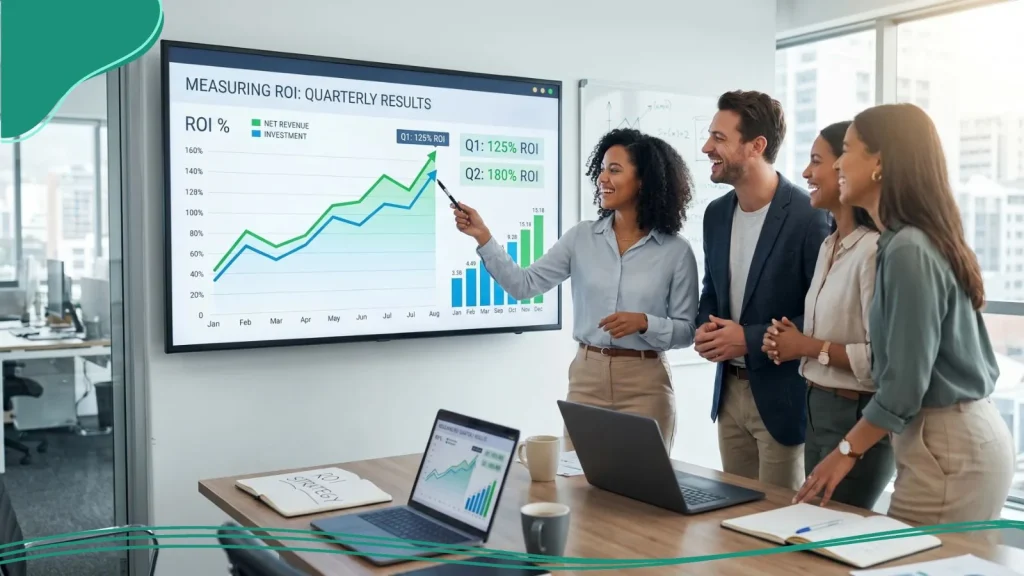
You don’t need expensive tracking tools to see what’s working. Ask new clients how they heard about you. Add a QR code or unique landing page URL to selected items. Note which leave-behinds or gifts get mentioned in follow-up conversations. Track referral mentions after specific gift campaigns. Those simple data points will tell you a lot about what’s worth reordering.
Small-Batch Tests Before Large Orders
The fastest way to waste a merch budget is to order a large run of something before you know if clients will actually keep it. A small batch test is almost always worth it.
Order a limited quantity, get the items into real client hands, and pay attention to what happens. Do people mention it? Does it show up in their space the next time you visit? Does it come up in referral conversations?
The items that get noticed and kept are the ones worth investing in. The items that get set aside or tossed are valuable data too, because they tell you something about your audience’s habits and preferences that no amount of guessing can replicate.
Merch that supports a clear goal and fits your clients’ routines will always deliver more value than merch that simply looks good in a catalog.
FREQUENTLY ASKED QUESTIONS
What are the best promotional items for a service business?
The best choices are practical items that fit your clients’ daily habits. Notebooks, pens, folders, magnets, reminder cards, drinkware, tote bags, and service-specific tools like measuring tapes or flashlights tend to stay in use the longest and give your brand the most consistent exposure.
What should I print on service business merch?
Start with your logo and keep the design simple. Add contact details only on items where the goal is direct action, such as magnets, reminder cards, and folders. For brand recall items like mugs or tote bags, a clean logo and minimal text often works better than a full contact block.
Do swag ideas for consultants differ from other service businesses?
Yes. Consultant and coach merch works best when it fits inside the working relationship, such as branded notebooks, workbooks, journals, and portfolios. The items should support what clients are already doing with you, rather than feel like a separate marketing gesture.
How do I measure whether my merch is working?
Track where new client referrals come from, use QR codes or unique URLs on specific items, and note which branded materials get mentioned during follow-up conversations or repeat bookings. You don’t need a complex system. You just need a clear goal per item and a habit of asking how new clients found you.
Your logo is the one thing that appears on every notebook, magnet, folder, tote bag, and branded shirt you send out. LogoMaker helps you get that logo right before it goes anywhere, so every item you hand a client reflects a business that looks the part.