
In the world of entrepreneurship, startup branding design is a central step toward success. The right visual identity helps set a startup apart from the competition and can make or break its journey in a crowded marketplace.
A well-crafted brand identity for startups instantly establishes trust and credibility. It’s more than a logo or a catchy color scheme.
It’s about the story you tell, the promises you make, and the emotional connection you spark with your audience. A clear and consistent brand not only attracts your ideal customers, but it also gives them a reason to remember you.
For startups, especially in tech or eCommerce, the path to recognition and loyalty begins with striking, unified branding. Why? Branding is important because it profoundly influences customers’ subconscious decision-making, often outweighing rational factors like price or features.
Ready to build your own? Let’s dive into the basics of startup branding design!
- Startups Branding Fundamentals
- How To Build a Strong Branding Design?
- Best Practices for Startup Branding

Startups Branding Fundamentals
At its core, branding is about more than just a good-looking logo or a memorable slogan. For startups, it’s the process of defining who you are, your mission, your values, and your voice, and communicating that consistently across every touchpoint. The branding process encompasses all the activities involved in building and developing your brand identity, from initial resource allocation to ongoing brand management.
The fundamentals in startup branding design include:
- Defining your identity: This means knowing what your business stands for and crafting a mission statement that guides every decision.
- Brand strategy: Establishing an effective brand strategy is the right path to guide your branding decisions and avoid common mistakes.
- Clarifying your brand voice: A unique, consistent voice sets the tone for how your brand sounds in emails, ads, and support tickets.
- Knowing your audience: The more you understand their pain points, preferences, and behaviors, the more tailor-made and appealing your brand becomes.
Without these fundamentals, even the best products can fade into the background in a noisy market. Investing time in branding reflects professionalism and the promise of a quality experience.
Developing a Compelling Brand Story
Storytelling is at the heart of every great brand. For startups, a compelling brand story is a uniquely powerful asset. It’s how you create emotional connections that last.
Here’s how to do it right:
- Share your “why”: Talk about the inspiration behind your business. Why did you launch this startup? What problems are you solving?
- Highlight your values: Let your audience know what you stand for. Are you passionate about sustainability, innovation, or inclusivity? Make these values part of your narrative.
- Stay consistent: Whether you’re posting on social media or engaging in customer support, your story and the way you tell it should be consistent everywhere. Maintaining a clear and harmonic brand message across all channels guarantees that your audience always understands your core values and value proposition.
- Focus on emotional impact: The best stories don’t just inform; they inspire and foster trust.
Your brand story becomes the thread tying together all your visual and verbal branding efforts. It’s the hook that makes customers care! A compelling brand story helps both customers and employees feel connected to your brand, strengthening loyalty and engagement.
How To Build a Strong Branding Design?
Brand strength is built on the foundation of a symmetrical, authentic visual identity. Strong branding plays a critical role in attracting customers and fostering long-term loyalty, setting startups apart in a crowded market.
Visual elements, such as logos, colors, and typography, are must-haves for a cohesive brand personality.
For startups, crafting this identity begins with simple, yet effective steps:
Design a Memorable Logo
Your logo is the face of your startup. It introduces your business and leaves a first impression.
- Keep it simple: Simple logos are easier to recognize and remember. Avoid overly complex visuals that get lost at a glance.
- Stand out: Research competitors, then find ways to make your logo distinct, whether it’s through unique shapes, unexpected color pairings, or custom typography.
- Versatility is key: Make sure your logo looks great on everything from digital screens to printed T-shirts. Test it in black and white and at a variety of sizes. Collaborating with a professional designer can help make certain your logo truly reflects your brand values and is visually consistent across all platforms.
- Industry relevance: Your logo should reflect your business type and speak to your target audience. For example, a joyful children’s brand might use brighter colors and playful shapes, while a fintech startup could go for clean, modern designs.
Your logo will appear on your website, business card, packaging, and other branded materials, so consistency is crucial.
Choose Your Color Palette
Color psychology can influence first impressions in a split second. Pick 3–5 brand colors that communicate your personality and values. For example, blue often represents reliability, while red conveys excitement and action. Bright colors can make your brand appear more approachable and eye-catching, helping your products stand out in a crowded market.
- Consider emotion and industry norms: Research color meanings and look at competitors. Choose colors that evoke the right emotions in your target audience, as this can influence perceptions and create a cohesive visual identity. Don’t blend in, but avoid colors with unwanted associations in your field. Consistent use of color can also fortify brand trust by reinforcing your startup’s personality and building customer confidence.
- Stay consistent: Use your core colors in your website, logo, marketing materials, and packaging.
Select Typography That Resonates With Your Brand
Fonts make a major difference in the vibe of your visual identity!
- Prioritize readability: Go for web-friendly fonts that are easy to read everywhere, from mobile devices to print.
- Establish hierarchy: Use two or three fonts to distinguish between headings, body text, and accents. Incorporate secondary fonts alongside your primary font to support the overall brand personality and create a cohesive visual style. This ensures information flows smoothly.
- Match your brand personality: A tech startup might use a sans serif font to convey a modern, clean, and polished look, while a boutique clothing brand could opt for elegant serif fonts.
Develop Cohesive Brand Imagery
From product shots to illustrations, every image you use should feel part of the same visual family.
- Consistency in style: Stick with similar photo tones, filters, or illustration techniques.
- Quality matters: Blurry, amateurish photos erode trust, while polished images and a sophisticated design signal professionalism and help create customer trust.
- Tell your story visually: Use photos or graphics to reinforce brand values or showcase your team and culture. Creating a visual narrative that aligns with your brand values helps build a strong and recognizable brand.
Create Brand Guidelines
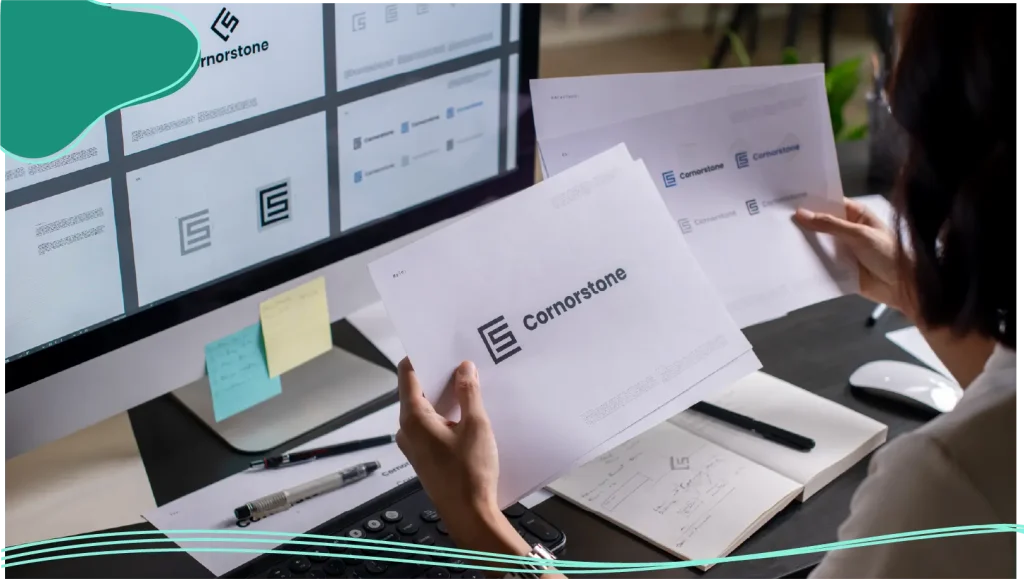
A brand style guide makes consistency possible, especially as your team grows. By providing clear standards, brand guidelines play an important role in ensuring consistency across all brand touchpoints, from messaging to visuals and identity.
- Include usage details: Document your logo versions, color codes, typography settings, and grid layouts.
- Share with everyone: Make your guidelines easily accessible for designers, marketers, and freelancers to keep your brand presentation on track.
Find inspiration in our LogoMaker’s blog on our article How to Build a Visual Brand, and be sure to check our top 4 brilliant startup logos in case you want some ideas for your own logo.
Best Practices for Startup Branding
Good startup branding is what’ll help you stand out when everyone’s fighting for the same customers. We can’t stress this enough: you need a solid brand plan, matching visuals, and a story that sticks.
Here’s what we’ve learned works best for startup branding:
- Start with a clear brand plan: Figure out what you’re about, where you’re going, and what matters to you right from the start. A strong brand plan guides every choice you’ll make, from what you say to how you market, making sure you stay focused and relevant as you grow.
- Craft a story that connects: Share what’s behind your startup; what got you started, the tough times you’ve pushed through, and the value you bring to people. A good story helps customers feel something for your brand, making your business stick in their minds and feel relatable.
- Develop matching visuals: Use the same colours, fonts, and design pieces across all your marketing materials and online platforms. When your visuals match everywhere, people recognize your brand instantly, and you strengthen your spot in the market.
- Keep your messaging consistent: Make sure your brand voice and what you say match across every channel, from your website to social media. Consistent branding builds trust and helps customers understand what your startup stands for.
- Focus on who you’re talking to: Shape your branding work around what your ideal customers need and want. Understanding your audience makes sure your brand connects and stands out when there’s lots of competition.
- Watch and adjust: Look at your branding regularly to make sure it stays relevant and works well. Get feedback from customers and track how your brand’s doing to refine your approach as your startup changes.

Conclusion
Excellent startup branding design is the launchpad for long-term growth and customer loyalty. Develop your foundation with a compelling brand story, high-quality logo, and consistent visual identity; then stay nimble as the market evolves.
Use tools like LogoMaker to simplify design, save time, and ensure your brand makes a mark from day one. LogoMaker can help you define your logo, color palette, and typography, ensuring you roll out a cohesive look across your eCommerce site, social channels, and marketing materials.
Our AI-powered logo maker allows you to craft a stunning new logo in just minutes. Customize every element of your new logo design until you’re totally satisfied.
For more tips and best practices, explore the rich collection of branding resources on the LogoMaker blog.
Get started today!
FREQUENTLY ASKED QUESTIONS
What is brand identity for startups?
Brand identity for startups is the unique set of visual, emotional, and functional elements that define your business and set you apart. This includes your logo, color palette, fonts, mission, voice, and overall personality. Brand identity reflects the values and personality of your entire company, shaping how customers and stakeholders perceive your organization as a whole.
Why does my startup need a professional logo?
A professional logo is the most visible part of your brand identity. It builds instant recognition, signals credibility to customers and investors, and makes your brand memorable in a competitive market.
How often should startups update their visual identity?
Startups should review their brand visuals regularly. If your branding no longer aligns with your mission, audience, or industry standards, it’s time for a refresh. Otherwise, stick with your identity for consistency.
Can I use LogoMaker if I have no design experience?
Absolutely. LogoMaker is built for non-designers, offering intuitive drag-and-drop tools and assets tailored for startups. You can build a professional logo and export brand kits with ease.
How do I keep my brand consistent across platforms?
Develop a brand style guide with details on logos, colors, and typography, and share it with everyone working on your brand. Stick to these rules across your website, social profiles, ads, and packaging for a unified brand experience.