

Choosing the right color for your logo can be a daunting task. The human eye can distinguish between up to 10 million different colors, which gives you a lot of options. Sometimes the color of your logo comes out of necessity.
For example, Mark Zuckerberg chose blue for the Facebook logo because he was red-green colorblind and felt that blue was the richest color he could see. However, most of the time, picking a great color combination isn’t as straightforward as it was for Zuckerberg.
Color plays a powerful role in shaping perception, triggering emotion, and building brand loyalty. Think about how red instantly makes you think of Coca-Cola or how light green conjures images of the Spotify logo. These aren’t coincidences; they’re intentional design choices rooted in psychology and strategy.
So, if you’re looking to create a logo that stands out and leaves a lasting impression, this article is your ultimate guide.
We’ve rounded up 60 logo color combinations that not only look amazing but also help reinforce your brand’s identity. Whether you’re going for something bold and attention-grabbing or subtle and sophisticated, you’ll find color palettes here that will inspire you and help your branding shine.
- Your Logo’s Color Leaves a Lasting Impression
- Understanding Color Psychology
- 1–10: Classic & Timeless Logo Color Combinations
- 11–20: Bold & Attention-Grabbing Combinations
- 21–30: Soft & Sophisticated Color Palettes
- 31–40: High-Contrast Combos for Readability
- 41–50: Trendy Gradient Combos
- 51–60: Unexpected but Effective Logo Color Combinations
- Tips for Choosing Your Logo Color Palette
Your Logo’s Color Leaves a Lasting Impression
Before we break down our list of 60 combos, it’s worth pausing to understand why logo colors matter so much.
Recent research indicates that color increases brand recognition by up to 80%. Using color in your logos gives you a massive advantage. With that being said, not all colors accomplish the same goal.
Colors can create emotional bonds. When used strategically, they can make your brand more appealing to consumers and build trust. Designers use colors to tap into emotions, influence behavior, and establish brand personality.
From a branding standpoint, your choice of colors can speak volumes about what your business stands for.
Understanding Color Psychology
Two of the most important tools in a designer’s toolkit are color psychology and the color wheel.
Mastering both can help you create a logo that not only looks amazing but also connects emotionally with your audience.
What Is Color Psychology?
Color psychology is the study of how colors influence human behavior, mood, and perception. Different colors trigger different feelings and associations, which is why brands carefully choose their color palettes to align with their messaging and values.
Here’s a quick breakdown of what some of the most popular logo colors typically represent:
- Red: Energy, excitement, passion, urgency. Common in food, entertainment, and retail.
- Blue: Trust, calm, security, intelligence. Used widely in finance, tech, and healthcare.
- Yellow: Optimism, friendliness, attention. Often seen in fast food and children’s brands.
- Green: Nature, growth, freshness, health. A favorite for eco-friendly and wellness brands.
- Purple: Luxury, creativity, wisdom, imagination. Great for beauty, tech, and education.
- Orange: Warmth, enthusiasm, confidence. Perfect for adventure, sports, and youth brands.
- Black: Power, elegance, sophistication. Common in luxury, fashion, and editorial.
- White: Simplicity, cleanliness, clarity. Often used as a secondary or accent color.
- Gray: Balance, neutrality, professionalism. Great for tech, legal, and consulting firms.
- Pink: Romance, fun, femininity, creativity. Popular in fashion, cosmetics, and lifestyle.
Understanding how these colors affect emotions can help you choose a palette that resonates deeply with your audience.
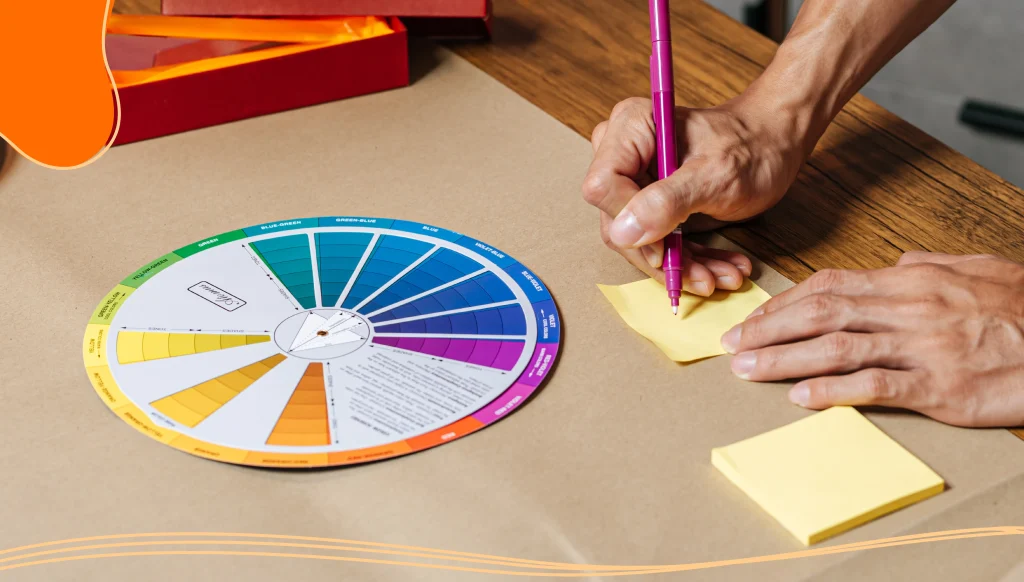
Using the Color Wheel to Create Impactful Logo Color Combinations
The color wheel is another powerful tool for logo designers. It visually organizes colors by their relationships and can help you pick color combinations that look harmonious and balanced.
Here are a few color wheel principles that can guide your logo design:
1. Complementary Colors
These are colors that sit directly opposite each other on the wheel, like red and green, blue and orange, or purple and yellow. This pairing offers maximum contrast and makes your logo pop. Complementary colors are high-energy and eye-catching, perfect for bold branding.
2. Analogous Colors
These are groups of three colors that sit next to each other on the wheel, like blue, teal, and green. Analogous palettes are visually harmonious and pleasing, often used in calming, cohesive logos.
3. Triadic Colors
This involves three colors evenly spaced on the wheel, like red, blue, and yellow. Triadic schemes are vibrant and well-balanced, often used to create colorful, energetic logos without clashing.
4. Split-Complementary Colors
This variation uses a base color and the two colors adjacent to its complementary color. For example, pairing blue with red-orange and yellow-orange. It offers a strong contrast with less intensity than direct complements.
5. Monochromatic Colors
These are various shades, tints, and tones of a single hue. A monochromatic logo looks clean, minimal, and professional. It’s often used when you want a sleek and modern aesthetic.
6. Tetradic (Double-Complementary) Colors
This scheme uses four colors together, consisting of two complementary color pairs. It’s bold and full of contrast, best used when you want a rich, complex palette.
Pro Tips for Using Color Psychology & the Wheel Together
- Start with emotion: What do you want people to feel when they see your logo? Pink colors that align with that emotion.
- Use the wheel to balance: Once you have your main color, use the wheel to select supporting colors that add contrast or harmony.
- Test your palette: Create a few mockups and see how the colors look in different environments; print, digital, light, dark, etc.
- Be industry aware: Make sure your color choices differentiate you from competitors while still aligning with consumer expectations.
Put your new knowledge of color psychology into action by designing your own logo! LogoMaker‘s intuitive AI-powered platform allows you to experiment with various color schemes until you find the perfect one for your brand. Start designing today!
1–10: Classic & Timeless Logo Color Combinations
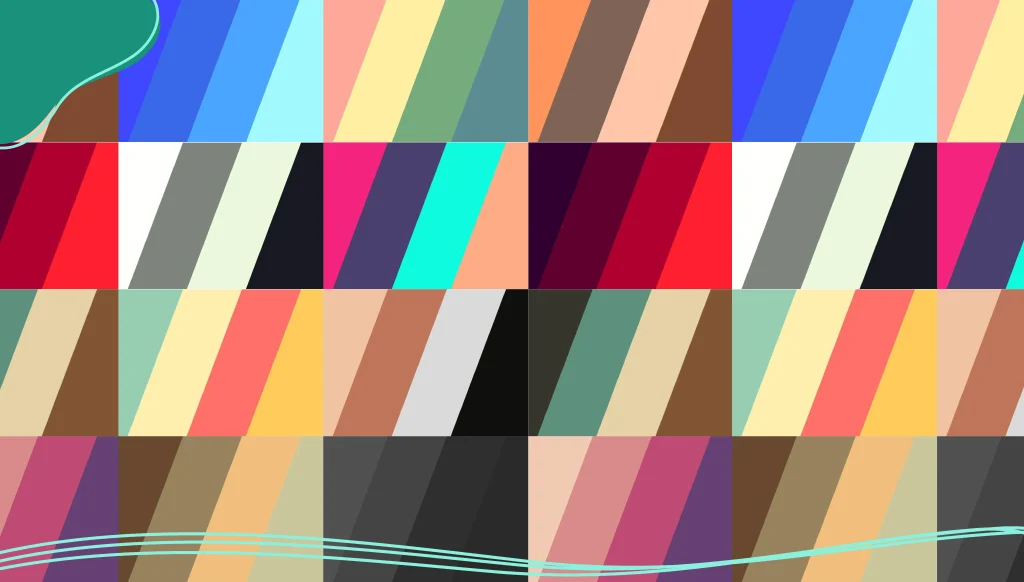
Let’s get the creative juices flowing with some exciting color pairings. This first batch of colors reflects some classic combinations that can work well for a wide variety of brands. These combinations are proven winners; tried, true, and always in style.
- Black and white: Sleek, minimal, and timeless. Perfect for luxury or editorial brands.
- Navy and gold: Regal and professional. Common in finance, law, and security branding.
- Red and white: Bold and high-contrast. A favorite of major brands like Coca-Cola.
- Blue and gray: Reliable and calm. Great for tech and consulting logos.
- Green and brown: Earthy and natural. Excellent for eco-brands.
- Red and yellow: Energetic and youthful. Think McDonald’s; designed to stimulate hunger!
- Purple and white: Elegant and clean. Works well for beauty and wellness.
- Teal and orange: Fresh and playful. A trendy choice for startups.
- Maroon and cream: Warm and classic. Often used in education and law.
- Black and yellow: High contrast and alert. A powerful pairing for impactful design.
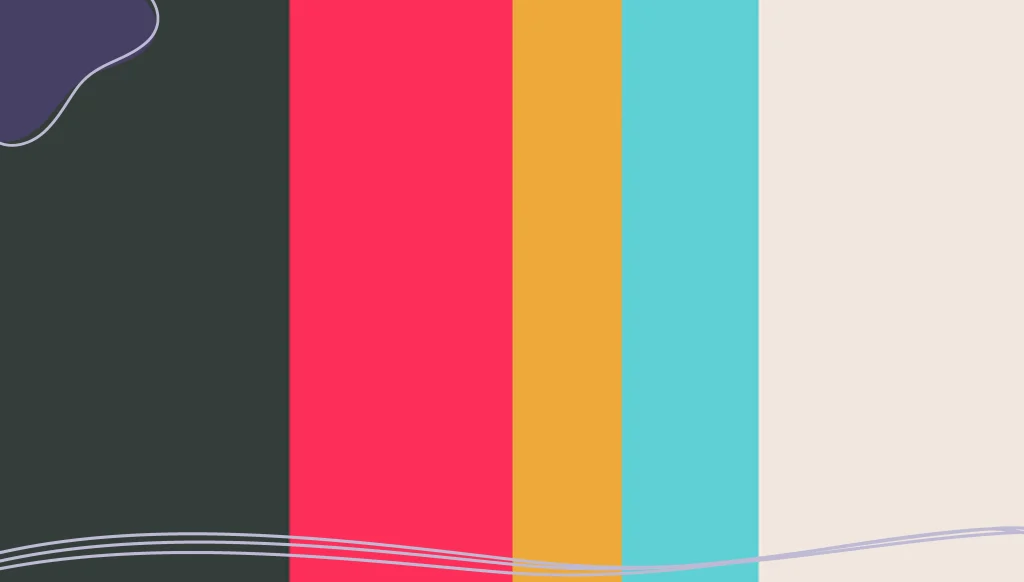
11–20: Bold & Attention-Grabbing Combinations
Want to stand out? This next batch of color palettes takes a bold approach that is guaranteed to help you get noticed in a crowded industry.
- Fuchsia and cyan: Vibrant and youthful. Perfect for tech companies in a forward-facing industry.
- Orange and navy: High energy meets professional. It can be more understated depending on the shade.
- Red and black: Dramatic and intense. A good fit for brands that want to be taken seriously.
- Turquoise and magenta: Modern and funky. Great choice for food and beverage companies.
- Yellow and purple: Complementary opposites that pop. A staple of sports logos, like the Los Angeles Lakers.
- Lime green and dark Blue: Bright and balanced. A very versatile combination.
- Hot pink and gold: Glamorous and fun. This bold combination works well for outsized brands.
- Neon Green and black: Futuristic and eye-catching. Another common tech combination used by companies like Spotify.
- Orange and white: Cheerful and confident.
- Blue and yellow: Energetic but grounded. Great for youth-focused brands.
21–30: Soft & Sophisticated Color Palettes
Looking for something a bit more refined? These pairings are easy on the eyes and great for upscale brands.
- Lavender and gray: Calm and elegant. Popular combination for wedding logos.
- Blush pink and ivory: Romantic and soft. A very delicate color palette that works well with subtle branding.
- Sage green and taupe: Natural and muted. Great for environmentally friendly brands.
- Dusty blue and sand: Beachy and serene. Perfect for lifestyle brands.
- Rose gold and navy: Chic and stylish. A delicate combination that still has some bite,
- Sky blue and pale yellow: Delicate and optimistic.
- Mint and coral: Gentle yet playful. A good choice for tech brands that want to maintain a more naturalistic feel.
- Mauve and slate: Subdued but expressive.
- Peach and olive: Earthy with a hint of warmth. An unlikely pairing that will definitely get you noticed.
- Cream and charcoal: Sophisticated neutrality. Clean and simple, but the combination can work in many different industries.
31–40: High-Contrast Combos for Readability
If you want a logo that’s easy to read at a glance, whether on a billboard or a brochure, these pairings deliver. They create strong distinctions between background and foreground, ensuring your message doesn’t get lost in the shuffle.
- Black and neon Blue: Edgy and ultra-modern. It’s especially effective for tech companies or futuristic brands that want to convey innovation, energy, and digital savvy.
- White and red: A crisp combo that commands attention. It’s a go-to for retail and fast food logos.
- Yellow and navy: A classic, trustworthy combo that balances brightness with professionalism.
- Dark Green and white: A dependable combo ideal for logos that aim to project stability, growth, and trust.
- Blue and orange: A mix of calm, competence, and creativity. Widely used in startups and tech branding.
- Purple and yellow: A high-energy duo with a regal twist.
- Charcoal and lime: Ideal for clean, minimalist logos that still want a touch of personality.
- Turquoise and black: Modern and tech-friendly, this combo mixes sophistication with a fresh splash of color.
- Gold and black: Luxury, power, and timeless elegance. Perfect for fashion, jewelry, and high-end services.
- White and teal: Clean, calm, and easy on the eyes. Great for health, wellness, and lifestyle brands.
41–50: Trendy Gradient Combos
Gradients have made a massive comeback in logo design, thanks to their ability to add depth, dimension, and digital appeal. These trendy blends give your brand a modern edge and allow for smooth transitions between emotions and ideas.
- Sunset: orange to pink: This warm, glowing gradient feels emotional and inviting. It’s popular with beauty brands and lifestyle products that want to evoke joy and warmth.
- Ocean: Teal to navy: Cool and serene, this aquatic blend is perfect for wellness brands, spas, and tech companies that want to convey calm professionalism with a refreshing twist.
- Berry: Magenta to purple: Rich, juicy, and full of flavor, this combo radiates creativity and flair. It’s a great fit for fashion, cosmetics, and artsy brands looking to stand out.
- Fresh: Mint to lime green: Light, fresh, and full of energy. This combo feels like spring in color form. It’s ideal for eco-conscious startups or anything promoting growth and innovation.
- Peach to coral: Soft yet playful, this gradient has a youthful feel with a touch of sophistication. It works beautifully for feminine branding, kids’ products, or boutique logos.
- Violet to blue: Dreamy and creative, this smooth transition evokes imagination and vision. It’s perfect for companies in tech, entertainment, or design that want to think outside the box.
- Sky blue to indigo: A calm, contemplative pairing that feels smart and intuitive. Great for education, digital tools, and anything focused on communication or clarity.
- Pink to lavender: Light-hearted and full of charm, this gradient exudes positivity and approachability. It’s a favorite in wellness and lifestyle branding, especially where playfulness is key.
- Red to maroon: A bold and passionate gradient that feels intense and mature. This combo speaks to power, strength, and legacy; perfect for industries like wine, media, or nonprofit work.
- Yellow to orange: Bright, sunny, and full of optimism. This gradient is great for logos that want to radiate warmth, enthusiasm, and forward momentum.

51–60: Unexpected but Effective Logo Color Combinations
These combinations aren’t typical, but that’s exactly the point. They work for brands that want to stand out and create something truly memorable. They’re great for niche markets, creative projects, and rebrands that aim to surprise.
- Forest green and lavender: A surprising mix of organic and whimsical. The grounded green contrasts with the dreamy lavender to create a balance of reliability and creativity.
- Burgundy and mustard: Retro and rich, this pairing gives off vintage vibes while still feeling bold and warm. Great for coffee shops, fashion brands, and artisanal products.
- Olive and neon pink: An earthy foundation meets a bright jolt of energy. This color clash can actually be very modern and is ideal for edgy fashion or digital culture brands.
- Navy and mint: Clean, crisp, and balanced. Navy adds structure, while mint refreshes. It’s a smart pick for wellness startups or educational brands looking for approachability.
- Tan and teal: Organic meets contemporary. This duo feels natural but modern, making it great for interior design, lifestyle products, or minimalist branding.
- Coral and indigo: This combo is a beautiful contrast of warmth and depth. Coral brings the energy, while indigo adds a thoughtful touch. It works especially well in creative industries.
- Red and turquoise: Bright and unexpected, this pairing offers energy and coolness in one. Ideal for food brands, entertainment, or anything youth-focused and fearless.
- Charcoal and copper: Industrial meets elegance. This rugged yet refined combo is perfect for design studios, architecture firms, or high-end consumer goods.
- Brown and aqua – Retro with a splash of fun. Aqua enlivens the grounded brown, giving off a nostalgic but fresh feel. Excellent for handmade goods or creative service brands.
- Yellow-green and plum: This bold contrast mixes vibrancy with richness. Yellow-green brings the unexpected pop, while plum grounds it with moody depth.
Tips for Choosing Your Logo Color Palette
Choosing from these color pairings is a great start, but how do you pick the right one for your brand? Here are some simple guidelines:
- Know your audience: Think about how your target consumers will respond to your colors. Do they evoke the right emotion?
- Understand color psychology: Go over the color psychology section towards the top of this page and keep those emotional connections in mind when designing your logo.
- Start with your brand personality: Is your brand fun and playful, or serious and professional? Match your palette to that personality.
- Don’t go overboard: Stick to 2–3 main colors for your logo. Too many colors can make your branding feel chaotic.
- Check accessibility: Make sure your text and graphics are readable on all backgrounds. Use online tools to test color contrast.
Conclusion
Choosing your brand’s logo color palette impacts how the rest of the world sees your brand. The right pairing can boost recognition, build trust, and even increase conversion rates. Use these 60 color combinations as a launchpad for your next big branding move.
And remember, great design starts with a solid understanding of what you offer and how you present it.
Ready to create your own amazing logo? Use LogoMaker‘s AI-powered design tools to create an eye-catching logo that will get your brand noticed. Customize everything from typography, shape, size, and color. Get started today!
FREQUENTLY ASKED QUESTIONS
What color combinations are best for logos?
It depends on your brand personality, but classic combos like blue and gray, red and white, or black and gold are great starting points. Pink combinations that reflect your message and stand out in your industry.
How do I choose the right color palette for my brand?
Start with what your brand stands for. Use color psychology as a guide, and try different combinations to see what feels right. Also, test your choices across different backgrounds and devices.
Can I use more than two colors in my logo?
Yes, but keep it simple. Two to three colors usually work best. Too many can overwhelm the viewer and dilute your message.
Are gradients good for logos?
They can be, especially in digital formats. Gradients can add depth and dimension, but make sure your logo is still recognizable in flat or single-color versions.
Do certain colors work better in certain industries?
Yes. For example, blue is often used in finance and tech for its association with trust. Study your competitors to find gaps or opportunities.