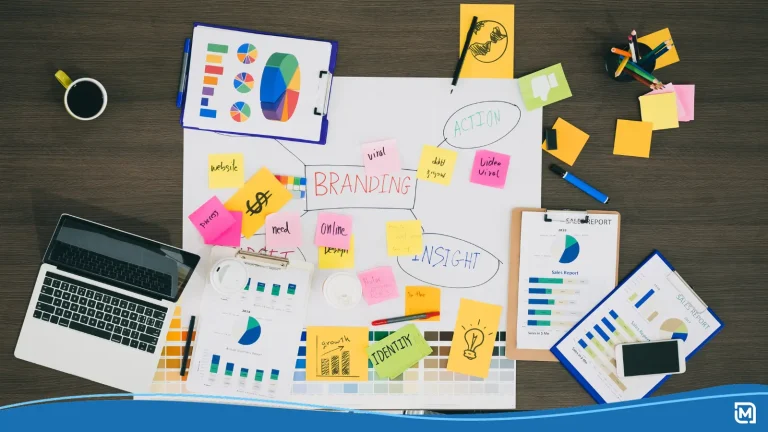

Having a rock-solid brand identity is one of the most important things for business success in 2025. With digital spaces more crowded than ever, creating a standout brand identity is no longer optional.
It’s how your brand sounds, how it feels, how it looks, and how your audience perceives it. If you want to make a lasting impression and build customer loyalty, you need a strong brand identity that works across every touchpoint.
The word “brand” has a long and interesting history. In Anglo-Saxon times, it meant first “fire” and then a stick or other article lit from a fire. Animals were branded with a mark from their respective ranches so that their owners could easily identify them. In the mid-19th century, people started using the word to refer to certain types of goods.
Regardless of the era, a brand has always been linked with identity and with permanence. A brand sticks with you, which is why it’s so important to cultivate a brand that you are proud of, because that’s how your consumers will see you moving forward.
In this article, we’ll walk you through the key elements of brand identity, show you real-world examples, and give you actionable steps to create a cohesive brand identity that resonates with your target audience.
- Your Brand Identity Is So Much More Than Just a Logo
- The Seven Key Elements of a Strong Brand Identity
- Real-World Brand Identity Examples to Inspire You
- Creating a Brand Identity: Step-by-Step Guide
- How a Strong Brand Identity Impacts Business Success

Your Brand Identity Is So Much More Than Just a Logo
Think of brand identity as your brand’s personality, wardrobe, and tone of voice all rolled into one. It’s how your brand presents itself to the world, from your brand’s visual identity (like your logo design and color palette) to your brand’s verbal identity (how your brand sounds and speaks). Your brand identity encompasses everything your customer interacts with.
LogoMaker offers a complete brand identity package that, apart from the logo, you can get Business Cards, Apparel and Promotional Products for your business.
Hop over to LogoMaker.com for all the details!
Why Brand Identity Matters in 2025
The way we connect with brands is evolving. People crave authenticity, strong emotional connections, and brands that align with their values. In 2025, customers aren’t just buying products; they’re buying into a brand’s story and a shared vision.
That’s why a strong brand identity isn’t just helpful, it’s imperative. Here’s what great brand identity design helps you do:
- Stand out in a crowded market
- Build trust and credibility
- Create a lasting impression
- Foster customer loyalty
- Ensure consistent branding across all marketing efforts
It’s the solid foundation every successful brand is built on. If you’re still questioning whether you should spend time and resources to develop your business’s brand identity, don’t take our word for it; here’s what Apple founder Steve Jobs had to say about the topic:
“Your brand is the single most important investment you can make in your business.”

The Seven Key Elements of a Strong Brand Identity
Let’s break down the building blocks of a great brand identity. These core elements work together to create a consistent, memorable brand experience:
1. Brand Strategy
Before you dive into design, you need a roadmap. Your brand strategy defines your brand’s purpose, mission, and positioning in the market. Ask yourself these key questions:
- What does your brand stand for?
- Who are your target customers?
- What makes your brand different?
A solid brand strategy gives direction to every other part of your identity.
2. Logo Design
Your logo is the face of your brand; it’s often the first thing people see. A unique logo should be simple, versatile, and instantly recognizable. Think of it as the handshake that starts the relationship. A memorable logo builds awareness and credibility.
But remember, your logo is part of your identity, not the whole thing.
A good logo is one of the most important brand elements; you want one that will really turn heads. Use LogoMaker‘s intuitive AI-powered platform to create an amazing logo that will immediately boost your brand identity.

3. Color Palette
Colors trigger emotion. A consistent color palette across your website, social media, packaging, and advertising creates brand recognition and sets the tone for your brand’s personality.
A significant chunk of your brand’s visual identity will be dictated by the colors you use in your branding, so choose wisely.
4. Typography
Fonts matter more than you think. Your typography plays a key role in shaping your visual language and brand personality.
For example, a playful, rounded font feels very different from a sleek, minimalist sans-serif. Consistency here is a deciding factor for a cohesive brand identity.
5. Visual Elements
This includes everything from imagery style and iconography to layouts and design patterns. Your visual storytelling should align with your brand’s voice and values. Your visual identity isn’t just decoration; it helps tell your brand’s story.
6. Brand Voice
How does your brand sound? Is your tone witty, formal, friendly, or inspirational?
A clear brand voice ensures all written communication, from emails to captions to packaging, feels like it’s coming from the same personality. Your verbal identity should reflect your brand values and connect with your target audience.
7. Brand Guidelines
Finally, tie it all together with a comprehensive set of brand guidelines. These rules help ensure your brand identity stays consistent across teams, campaigns, and platforms.
Include your logo usage, color codes, fonts, tone of voice, and more. Think of it as your brand’s user manual.
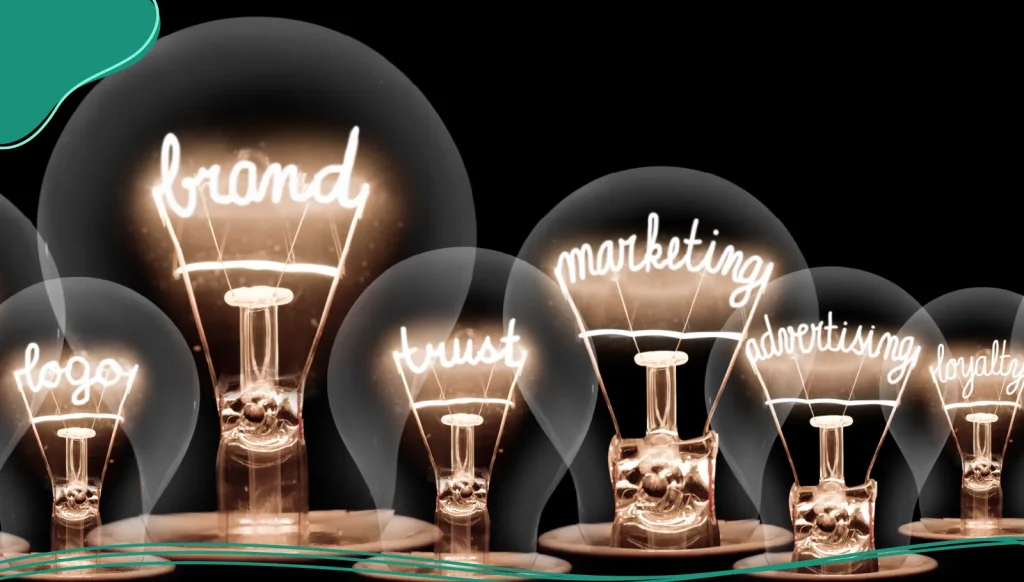
Real-World Brand Identity Examples to Inspire You
Let’s take a look at a few great brand identity examples that show how all these elements come together. These brands built entire ecosystems of visuals, voices, and values that make them instantly recognizable and unforgettable.
Spotify
- Visual identity: A bold green and black color palette paired with fluid wave-like shapes that nod to the flow of music. Spotify’s logo incorporates literal sound waves, contributing to the focused brand identity.
- Brand voice: Friendly, cheeky, and packed with cultural references, Spotify feels like your cool best friend who always knows the latest track.
- Brand perception: A music-loving, trend-savvy brand that connects you to what you love and introduces you to what you didn’t know you needed.
Spotify’s brand identity works because it blends personalization with personality. The brand’s curated playlists and playful copy show how strong brand identity design creates lasting emotional connections.
Spotify builds on its established brand identity with campaigns like the year-end Spotify Wrapped playlists that reinforce the brand’s dedication to personalization.
Airbnb
- Logo design: The “Bélo” symbol represents belonging, an abstract but memorable logo tied directly to the brand’s purpose.
- Visual elements: A warm, soft color palette, clean layouts, and authentic photography that puts people and experiences at the center.
- Brand story: Airbnb isn’t just about travel; it’s about creating a home anywhere in the world and connecting with communities.
Airbnb is a great example of how a brand identity encompasses more than visuals; it’s the promise of inclusivity, adventure, and belonging.
Airbnb’s brand identity was not always so well-curated. The company’s 2014 rebrand was a comprehensive effort that extended to every part of the brand, creating a unified look and feel.
Starbucks
- Visual identity: The instantly recognizable green and white siren logo has become a global symbol of coffee culture.
- Brand elements: Minimalist cup design, warm earthy tones in-store, and consistent iconography across packaging and digital platforms.
- Brand experience: Starbucks doesn’t just sell coffee, it sells a “third place” between home and work, where community and comfort matter.
Starbucks demonstrates how brand identity works when you blend a memorable logo with a brand story that customers emotionally connect to. The result? Strong customer loyalty and a brand perception that feels premium yet welcoming.
Starbucks’ brand identity was so powerful that they decided to drop the word “coffee” from all branding materials. The brand has evolved into something much greater than a simple chain of coffee shops.
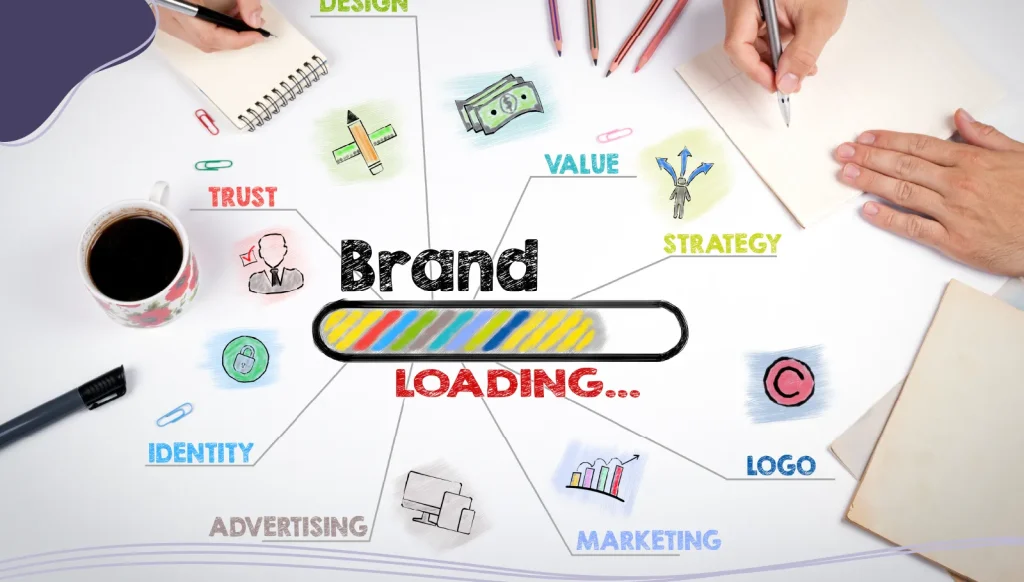
Creating a Brand Identity: Step-by-Step Guide
Now that you’ve seen how it all comes together, let’s walk through creating a brand identity from scratch.
Step 1: Do Your Research
Start with market research and customer research. Ask yourself:
- Who are your competitors?
- What do your customers care about?
- Where is the gap in the market?
This sets the foundation for a brand that resonates.
Step 2: Define Your Brand’s Mission & Values
Your brand’s mission is your reason for existing. Your values are what you stand for. This helps shape your brand voice, design choices, and even your brand’s products.
Step 3: Develop Your Brand Personality
If your brand were a person, how would it behave? Would it be bold and daring or calm and thoughtful? This distinct personality helps you connect with customers on a human level.
Step 4: Design Your Visual Identity
Time to work with a graphic designer (or try it yourself with tools like LogoMaker).
- Create a memorable logo.
- Pick a consistent color palette.
- Choose typography and design assets.
Make sure your visual elements match your brand personality.
Once your visuals are locked in, it’s time to roll them out in the real world. LogoMaker makes it easy to apply your logo and brand colors to everything from Business Cards to Apparel and Promotional merch like mugs, tumblers, and pens.
This guarantees every customer interaction —online or off— reflects your brand identity consistently and professionally.
Step 5: Craft Your Brand Voice & Messaging
From your tagline to your social captions, your messaging should have a clear brand voice. Your tone, vocabulary, and even humor (or lack of it) should all feel cohesive.
Step 6: Build Your Brand Guidelines
Document it all. These guidelines are your bible for maintaining a cohesive brand identity as your brand grows.

How a Strong Brand Identity Impacts Business Success
Let’s get real. A strong brand identity isn’t just about looking good; it has real business benefits, including:
- Higher brand recognition.
- Better brand perception.
- Stronger customer loyalty.
- Increased trust and credibility.
- Improved ROI on marketing efforts.
It also helps your target customers remember you, choose you, and stick with you, even in a crowded market.
Brand Identity vs. Brand Image vs. Branding
In the world of brand identity design, there are a lot of similar-sounding terms that have significantly different meanings. Let’s go over a few brand elements to find out what they mean.
- Brand identity: This is an all-encompassing term that can include a collection of visual and verbal elements that a company uses to create a specific image and perception of its brand in the minds of consumers.
- Brand image: This is how your audience perceives your brand. At the end of the day, your brand image is dictated by how your audience reacts to the brand identity that you present. This is why target audience research is such a vital aspect of the brand identity design process.
- Branding: This is the ongoing process of shaping that identity and image through action. Creating a strong brand identity is incredibly important, but it’s also equally important to know when your brand identity is no longer serving your business, and it’s time to pivot.
How to Keep Your Brand Identity Consistent Across Channels
A great brand identity leads to a strong brand image, supported by consistent branding. Here’s where a lot of brands trip up.
You can have the most beautiful brand in the world, but if your email feels formal, your TikTok is chaotic, and your website looks like it’s from 2012, you’re sending mixed messages.
To maintain consistency:
- Use your brand guidelines religiously.
- Audit your channels regularly.
- Train your team.
- Update as your brand evolves (but stay true to your core elements).
Consistency builds trust. Inconsistency breeds confusion.
Conclusion
In 2025, your brand identity is more than just a marketing tool; it’s your business’s superpower. It’s how your brand becomes memorable, how it forms strong emotional connections, and how it earns customer loyalty in a world full of noise.
When you take the time to define your brand’s mission, visual language, and brand voice, you build a complete brand experience. One that’s authentic, recognizable, and impossible to ignore.
But it’s important to remember: a strong brand identity doesn’t happen overnight. However, with a clear strategy, thoughtful design, and consistent execution, your brand can stand out, connect deeply, and grow confidently.
Ready to put your new brand identity into motion? Extend it with LogoMaker’s Business Cards, Apparel, and Promotional merchandise for branded products—the tangible touchpoints that help your brand stand out in the real world.
LogoMaker is your one-stop shop for everything you need to craft a strong brand identity in 2025. From our logo design tools to our DIY website builder and our extensive range of promotional products, we have everything you need to take your brand identity to the next level.

FREQUENTLY ASKED QUESTIONS
What is brand identity?
Brand identity is how a company visually and verbally presents itself to the world. It includes your logo, colors, fonts, tone of voice, messaging, and more.
Is brand identity just a logo?
Nope! While your logo is part of it, your brand identity encompasses everything from your visual elements to your verbal identity and brand voice.
Why is brand identity important?
It helps you build recognition, foster trust, and stand out in a crowded market. A strong brand identity drives customer loyalty and supports business growth. Many successful companies spend millions of dollars each year on brand identity, creating campaigns and initiatives to make their brand memorable.
How do I create a brand identity?
Start with research, define your mission, develop your brand personality, and design your visuals. Finish with brand guidelines to stay consistent.
Can I design my brand identity myself?
Yes! There are plenty of tools out there (like LogoMaker) for DIYers. But if you want something pro, consider hiring a graphic designer.
What makes a brand identity successful?
A successful brand identity is consistent, emotionally resonant, and aligned with your brand values, audience, and industry.
How often should I update my brand identity?
Only when needed. Refresh when your brand grows, pivots, or needs a modern touch, but stay true to your brand’s purpose and core values.