
As 2026 begins, brands must evolve with emerging design trends to capture attention in an increasingly crowded digital world. If there’s one thing designers have learned over the last few years, it’s this: logos are no longer just static symbols sitting politely in the corner of a website.
As we head into the year ahead, logo design trends in 2026 reflect a world shaped by digital culture, rapid technological shifts, and a collective craving for personality, emotion, and authenticity. That last feature is particularly important to connecting with your audience in 2026. According to a recent study, 70% of consumers reportedly spend more money with brands they deem to be authentic.
To cultivate an authentic image, brands have to navigate nuanced phenomena such as digital fatigue, multi-screen use, AI tools, cultural shifts, and a new generation of audiences who expect more than a clean pictorial mark. Logos now have to move, adapt, express emotion, and live comfortably across digital spaces, from apps and AR filters to social feeds and real-world packaging.
In this article, we’ll explore the latest trends shaping logo design in 2026. Some of these logo trends feel like a natural evolution of what designers have been experimenting with for years. Others mark a bold shift into new forms of visual language. And yes, a few may feel like “just a trend,” but even those reveal something deeper about where branding is heading.
- Why Logo Design Trends Matter in 2026
- How to Use Trends Without Losing Brand Consistency
- The Top Ten Logo Design Trends for 2026
- Extending Your 2026 Logo Across Merch & Websites
Why Logo Design Trends Matter in 2026
Every logo exists in context. In 2026, that context includes things like digital burnout, hyper-saturated content feeds, AI-generated visuals, and users constantly switching between devices. A logo today has to do more than look good; it has to feel right.
Logo design trends aren’t about blindly following styles. They’re about understanding how cultural shifts, technology, and human behavior influence the way people perceive brands. A logo that felt modern five years ago can now feel flat or disconnected, especially in motion-heavy, UI-driven environments.
Designers are responding by creating logos with more visual interest, emotional impact, and flexibility. The goal isn’t perfection anymore. It’s connection.
Making Sure Your Logo Resonates with Younger Generations
Younger generations, especially Gen Z, have a major influence on modern logo design trends, and it shows in how brands look, move, and communicate. Gen Z’s spending power is projected to grow from $2.7 trillion in 2024 to $12.6 trillion globally by 2030. Regardless of your industry, a large share of your consumer base will likely be Gen Z over the next few years. Gen Z has grown up fully immersed in digital culture. They scroll fast, spot inauthenticity instantly, and expect brands to feel expressive, responsive, and human rather than overly polished or corporate.
One reason newer logo design trends appeal so strongly to Gen Z is their comfort with constant visual change. Adaptive logos, modular systems, and motion-driven identities feel natural to an audience used to dynamic feeds, short-form video, and evolving digital spaces. A logo that shifts shape, animates subtly, or changes color across platforms doesn’t feel inconsistent to Gen Z; it feels alive.
How to Use Trends Without Losing Brand Consistency
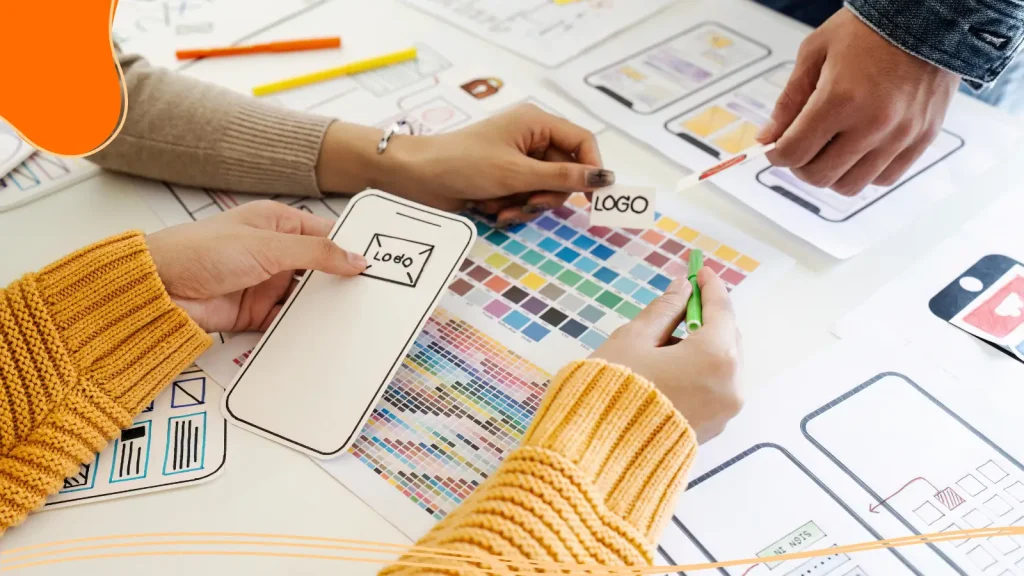
With so many logo design trends gaining popularity in 2026, it’s easy to fall into the trap of chasing what looks new instead of protecting what makes a brand recognizable. The strongest brands don’t adopt trends wholesale; they filter them through a clear sense of who they are. Trends should refresh a brand, not rewrite it.
A simple framework can help keep that balance.
- Start by defining your brand personality. Is your brand bold or calm? Playful or serious? Expressive or restrained? This personality should guide every design decision, including which trends make sense to explore. For example, hyper-expressive typography might work beautifully for a Gen Z-focused brand, but feel out of place for a heritage financial institution.
- Identify your audience. Where do they live digitally? Are they experiencing digital burnout, or do they expect high-energy motion and interaction? Understanding how your audience navigates digital spaces helps determine whether trends like adaptive logos, motion, or retro futurism enhance connection or simply add noise.
- Lock in your core brand elements. These are the pieces that should remain consistent even as styles evolve. Your name, primary symbol, core colors, and overall visual language form the foundation of brand recognition. Trends should layer on top of these elements, not replace them. A logo can adopt subtle shadows, soft fades, or tactile textures while still using the same recognizable shape or color palette.
This is where AI tools can be especially powerful when used correctly. Instead of letting AI dictate the final logo, designers can use AI to explore styles, test variations, and visualize how trends might look applied to an existing brand system.
For example, LogoMaker‘s intuitive AI-Powered platform lets you experiment with fonts, colors, and other visual elements to create a logo that is totally unique. And the best part? You don’t need any prior graphic design experience to get started!
The Top Ten Logo Design Trends for 2026
Creating visuals that deeply connect with audiences can be daunting, especially in 2026, when there is so much competition for people’s attention. We’ve compiled a list of the top 10 best logo design trends to help you create a stunning logo that stands out among the rest.
1. Dynamic & Adaptive Logos
One of the most defining logo design trends of 2026 is the continued rise of dynamic and adaptive logos. These logos aren’t locked into a single form. Instead, they shift, resize, animate, and rearrange themselves depending on context.
In digital spaces, adaptive logos respond to screen size, platform, or user interaction. On a large desktop screen, you might see a full logo system. On small screens, the logo simplifies into a symbol, shape, or monogram. In motion, it might subtly morph or animate.
Google was an early adopter of the adaptive logo system with its doodle logo series. During notable events or holidays, the Google homescreen and logo will shift to a completely different art style or layout, allowing the company to show off its creativity while maintaining core branding elements.
In 2026, more brands are embracing adaptability as a core part of their brand identity rather than an afterthought.
2. AI-Enhanced & Generative Branding
AI is no longer a futuristic concept in graphic design; it’s a daily tool. AI-enhanced logo design is one of the most talked-about logo trends of 2026, and it’s changing how designers create, experiment, and iterate.
AI tools are being used to generate logo concepts, explore typography, test color palettes, and even create entire visual systems. Some brands are going further, using AI-generated logos that evolve over time based on data, user behavior, or location.
This doesn’t mean designers are being replaced. Instead, AI is becoming a creative partner. Designers still make the strategic decisions, AI just accelerates exploration and opens up new creative territory.
Generative branding also allows logos to feel more alive. A logo might shift colors based on the user’s location, adapt its shape for different digital environments, or generate unique variations for campaigns.
The challenge in 2026 is balance. AI-generated design without human direction can feel soulless. For example, Coca-Cola received a tremendous amount of backlash for using AI-generated video for its Christmas commercials, which dipped into uncanny valley territory.
3. Neo-Minimalism with Personality
Minimalism isn’t going anywhere, but it is evolving. In 2026, we’re seeing the rise of neo minimalism, minimalism with a twist. Clean layouts, simple shapes, and restrained palettes remain popular, but they’re no longer cold or generic.
Neo-minimalist logos add subtle personality through unexpected details: soft curves instead of sharp edges, subtle shadows, tactile textures, or slightly playful proportions. These small choices create warmth and emotional impact without clutter.
This trend is partly a response to digital fatigue. After years of ultra-flat, overly safe logos, audiences crave something that feels human. Neo-minimalism offers clarity while allowing brands to express character.
Think of it as minimalism that smiles back. The Spotify logo is a good example of neo-minimalism. It uses a very standard three-wave symbol but adds a slight tilt, which infuses the logo with an added sense of personality through a small imperfection.
4. Hyper-Expressive & Kinetic Typography
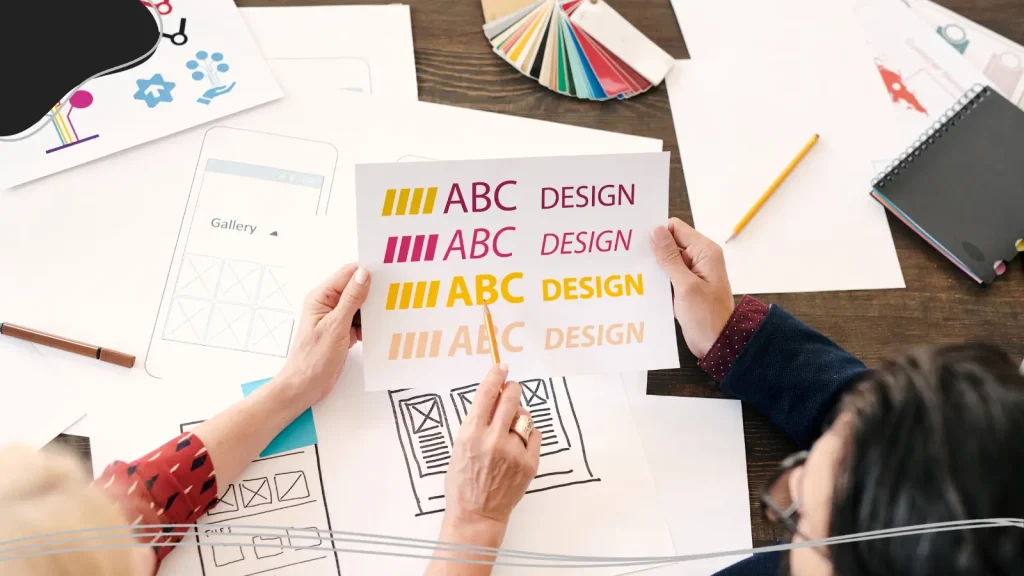
Typography is taking center stage in 2026. Logos are increasingly built around type that moves, stretches, pulses, or reacts, especially in motion-first environments.
Hyper-expressive typography turns letters into shapes, forms, and experiences. It’s bold, playful, and emotionally driven. Kinetic typography adds motion, making logos feel alive in videos, apps, and UI elements.
This trend works particularly well for Gen Z-focused brands, creative industries, and companies that want a strong direct response from their audience. Movement draws attention, adds energy, and helps logos stand out in crowded digital spaces.
Video game companies have used kinetic typography to great success for years. The Xbox logo has almost always been accompanied by an expressive animation revealing the iconic X, followed by the brand’s wordmark. This made perfect sense for an industry that values excitement, movement, and action.
In 2026, typography isn’t just readable. It’s expressive, interactive, and fun.
5. 3D, Gradients & Retro-Futuristic Depth
Flat design dominated for years, but depth is making a comeback. One of the most visually striking design trends in logo design is the return of 3D elements, layered gradients, and retro futurism.
During the 2010s, there was a wave of brands that were redesigning their logos to adopt a 2D, sleek, and minimalist style. The most notable being Instagram, which got rid of its beloved old logo (the cute retro camera) in favor of a bright, abstract icon.
Logos in 2026 are returning to more intricate designs with subtle 3D forms, soft lighting, and gradients that create a sense of space. These aren’t the harsh, glossy 3D logos of the past. Instead, they’re refined, atmospheric, and often paired with modern typography.
Retro futurism blends nostalgic elements with futuristic aesthetics. Think bold shapes, hyper-saturated colors, and sci-fi-inspired forms, reimagined with modern tools and sensibilities.
This trend works especially well in digital environments where depth helps logos stand out against flat interfaces. When used thoughtfully, 3D and gradients add richness without overwhelming the brand.
6. Freehand Mascots & Hand-Drawn Authenticity
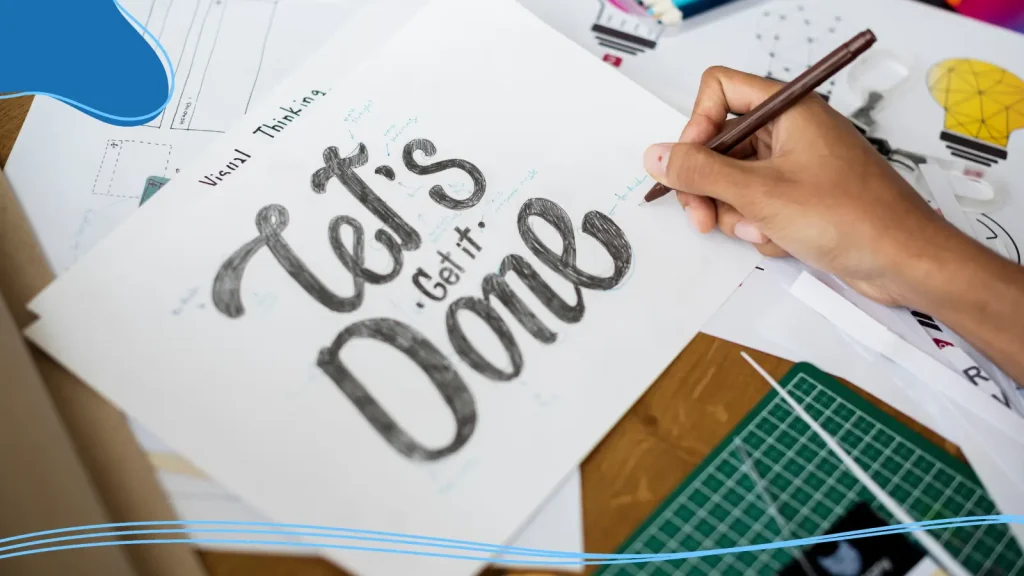
As AI-generated visuals become more common, hand-drawn and imperfect logos are gaining value. Freehand mascots, sketchy lines, and visible imperfections are being embraced as a sign of authenticity.
This trend taps into the desire for human connection. Hand-drawn logos feel personal, approachable, and real, qualities that resonate strongly in a world saturated with polished digital content.
Mascots are also making a comeback. They add storytelling potential, emotional warmth, and flexibility across marketing channels. A freehand mascot can appear static in a logo, animated in motion, or adapted into illustrations and stickers.
In 2026, naive design isn’t seen as amateur; it’s intentional. Designers are deliberately allowing brands to feel less perfect and more human.
7. Stamp, Seal & Heritage-Inspired Marks
While some brands push toward futuristic aesthetics, others are looking backward for inspiration. Stamp, seal, and heritage-inspired logos are gaining popularity, especially among businesses that want to communicate trust, longevity, and craftsmanship.
These logos often feature circular shapes, badges, serif typography, and vintage detailing, updated with a modern twist. The result feels timeless rather than outdated.
This trend works particularly well for food brands, wellness companies, local businesses, and premium products. It offers reassurance in uncertain times and counters the fast-paced nature of digital culture.
If you want an example of an audience connecting to heritage aesthetics, look no further than Cracker Barrel. Recently, the restaurant chain tried to revamp its logo to a modern minimalist design, but there was a massive outcry from customers calling for an immediate return to the retro logo design. This highlights the overwhelming power of nostalgia and its effect on consumers.
8. Pixel-Sharp & Tech-Forward Logos
On the opposite end of the spectrum, tech-forward logos are leaning into sharp edges, pixel precision, and digital-native aesthetics.
These logos feel engineered rather than organic. They use grid-based shapes, modular systems, and high contrast palettes to communicate innovation and efficiency.
Pixel-inspired elements nod to gaming culture, UI design, and early digital art, reimagined for modern branding. This trend aligns closely with startups, SaaS platforms, and technology-driven businesses.
In 2026, tech logos aren’t just about looking futuristic. They’re about signaling clarity, performance, and trust in a digital-first world.
9. Sustainable & Nature-Inspired Logos
Sustainability is no longer a niche message; it’s mainstream. Consumers today are more conscious of waste, pollution, and the impact of their purchases. In a McKinsey US consumer sentiment survey, more than 60% of respondents said they’d pay more for a product with sustainable packaging. Logo design trends 2026 reflect this shift through earthy colors, organic shapes, and nature-inspired forms.
Muted palettes, soft greens, warm browns, and textured finishes help brands visually communicate eco-conscious values. Logos may reference leaves, water, growth, or natural cycles, sometimes abstractly, sometimes directly.
Importantly, this trend goes beyond aesthetics. Audiences are increasingly skeptical of greenwashing. The most effective sustainable logos are paired with real action and transparent messaging.
10. Modular Logo Systems for Multi-Channel Brands
Brands today exist everywhere: websites, apps, packaging, social media, AR filters, events, and more. Modular logo systems help brands stay consistent while remaining flexible.
Instead of a single fixed logo, brands develop systems made up of shapes, symbols, colors, and type elements that can be rearranged as needed. This approach works beautifully across digital spaces and evolving platforms.
Modular logos support adaptive design, motion, and personalization. They allow brands to create endless variations without losing recognition.
Balancing Trends with Timeless Design
With so many logo trends emerging, it’s easy to feel overwhelmed. The key in 2026 isn’t chasing every new style; it’s choosing what aligns with your brand’s personality, audience, and goals.
Trends should inspire, not dictate. The best logos borrow elements from current design trends while maintaining clarity, simplicity, and purpose.
Want to start experimenting with the latest logo design trends? LogoMaker‘s easy-to-use design tool lets you edit every aspect of your logo until you are completely satisfied. With the help of the innovative AI assistant, Logi, you’re able to create the logo of your dreams, no prior design experience required.

Extending Your 2026 Logo Across Merch & Websites
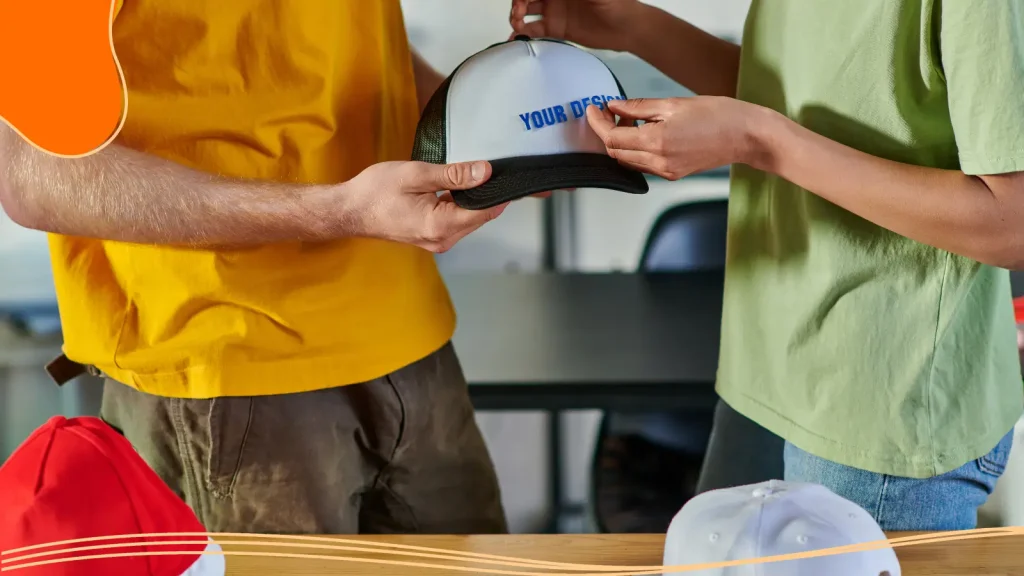
A logo doesn’t live in isolation. In 2026, a well-designed logo is only as strong as how well it translates across real-world merch and digital experiences. One of the biggest mistakes brands make is treating logo design as a one-off project instead of a system that supports everything from T-shirts to websites.
When your logo aligns with current logo design trends, whether that’s adaptive logos, expressive typography, or hand-drawn elements, it becomes easier to roll it out consistently across promotional products. A bold, high-contrast logo works beautifully on T-shirts and hoodies. A simplified mark or symbol translates cleanly onto mugs, stickers, and packaging. Heritage-inspired stamps look premium on business cards, labels, and boxes, while modular logo systems allow different layouts without breaking brand consistency.
Designing a captivating logo means nothing if no one sees it. In 2026, you have to use every avenue available to make sure your logo is seen by as many people as possible. LogoMaker’s suite of design and marketing tools helps you promote your brand in a wide variety of ways, from website design to promotional stationery, and everything in between.
Conclusion
As we move into 2026, logo design is no longer about chasing a single look or locking into one perfect mark. The most successful logos reflect the world we live in now: fast-moving, digitally layered, emotionally driven, and deeply human. The logo design trends 2026 we’ve explored show a clear shift toward flexibility, expression, and connection, shaped by new technology and evolving audience expectations.
The brands that will truly stand out in the year ahead are the ones that use trends thoughtfully. They define their core visual language, understand their audience, and allow new ideas to enhance, not replace, their identity.
Stay ahead of the next wave and incorporate these exciting logo design trends today using LogoMaker‘s advance AI-Powered logo design tool. Get started today!
FREQUENTLY ASKED QUESTIONS
What are the biggest logo design trends for 2026?
The biggest trends include adaptive logos, AI-enhanced design, neo-minimalism with personality, expressive typography, 3D and retro-futuristic depth, hand-drawn authenticity, sustainable branding, and modular logo systems.
Are AI-generated logos replacing designers?
No. AI tools support designers by speeding up exploration and iteration. Human creativity, strategy, and emotional intelligence remain essential to effective logo design.
Is minimalism still relevant in 2026?
Yes, but it has evolved. Neo-minimalism adds warmth, personality, and subtle details to avoid feeling generic or sterile.
Should small businesses follow logo trends?
Small businesses should be aware of trends but prioritize clarity and longevity. Not every trend fits every brand, and timeless design often performs better long-term.
How important is motion in logo design today?
Motion is increasingly important, especially in digital spaces. Even subtle animation can enhance recognition, engagement, and brand personality.
Are hand-drawn logos unprofessional?
Not at all. When done intentionally, hand-drawn logos communicate authenticity and creativity, which many audiences value in 2026.
How can brands stay ahead of future logo trends?
Stay curious, experiment with new tools, pay attention to cultural shifts, and focus on building a strong visual language rather than chasing every trend.